Moving to Tucson: Desert Living Essentials for Homeowners
July 2, 2026
July 2, 2026
Moving to Tucson can feel like stepping into a whole new rhythm of homeownership. The sun is stronger, the storms are different, and even your yard may ask for a totally different plan than it would in a wetter climate. If you are buying your first home here or relocating from another market, knowing what to expect can help you settle in faster, protect your property, and enjoy the best of desert living. Let’s dive in.
Tucson is a true hot-desert climate, and that affects how you live in your home year-round. National Weather Service normals show an average annual high of 84.0°F and an average annual low of 57.3°F, with about 68 days each year at or above 100°F.
Summer is intense, especially in July, when average temperatures reach 100.2°F for highs and 76.3°F for lows. Even winter has its own pattern, with January averaging 66.5°F during the day and 40.8°F in the morning, which means cool starts are still part of the season.
That temperature swing changes simple routines. Outdoor chores, dog walks, and home projects are often easier in the morning or later in the day, when the sun is less intense and surfaces are not radiating as much heat.
In Tucson, heat planning is part of basic homeownership. Sunscreen, hats, shade, and protective clothing all matter when you spend time outside, even for quick tasks like checking irrigation or bringing in trash bins.
The CDC also notes that fans can be unsafe in very hot conditions, so it is smart to pay attention to local heat risk instead of assuming airflow alone is enough. If you ever need a break from the heat, Tucson cooling centers operate from June 1 through September 30, daily from noon to 4 p.m.
One of the biggest surprises for new Tucson homeowners is that the desert is not always dry in the same way. The Southwest monsoon runs from June 15 through September 30, and local National Weather Service guidance says it can bring flash floods, dust storms, lightning, wildfires, tornadoes, and power outages.
That means summer is not only about heat. It is also about being ready for fast-changing weather, reduced visibility, and short bursts of intense rain that can affect streets, washes, and access points around your home.
Flash flooding is a recurring Arizona risk, and it can become dangerous quickly. The National Weather Service warns that as little as 1 to 2 feet of water can float most vehicles, which is why flooded roads and low-water crossings should always be taken seriously.
For homeowners, this also means you should pay attention to how water moves around your property. The City of Tucson’s stormwater guidance highlights runoff control and water harvesting because stormwater issues are a regular local concern.
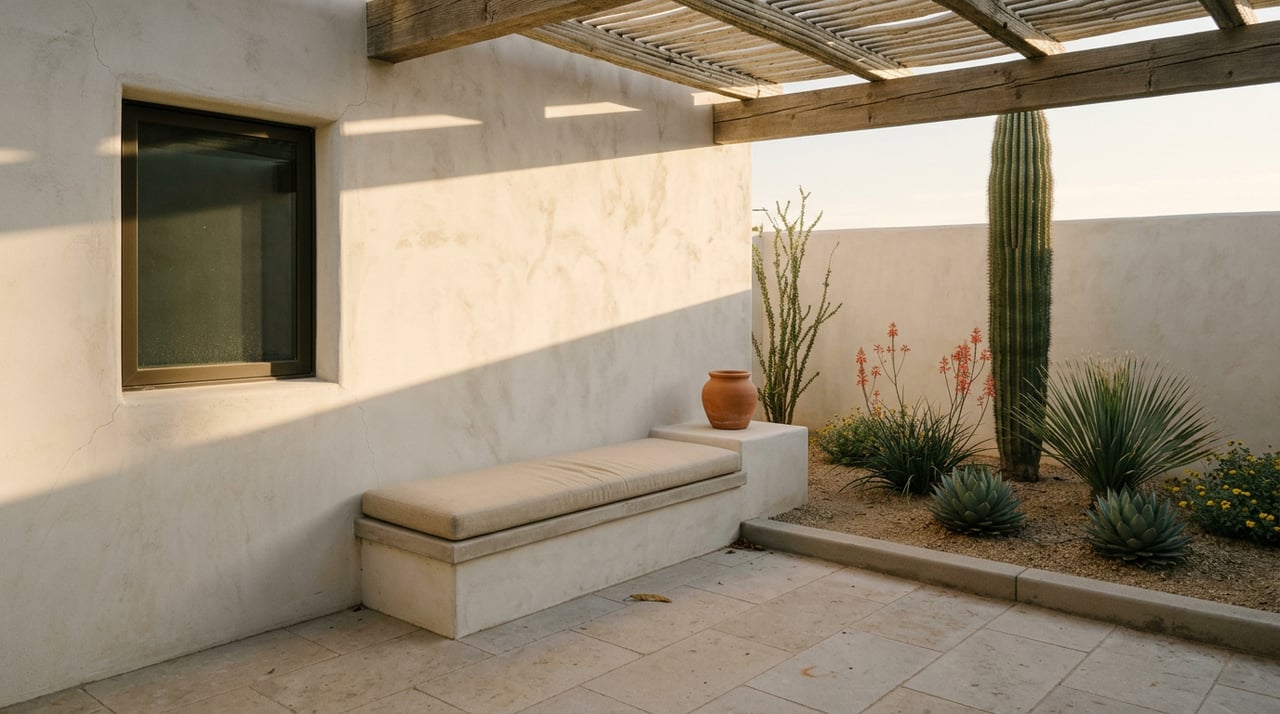
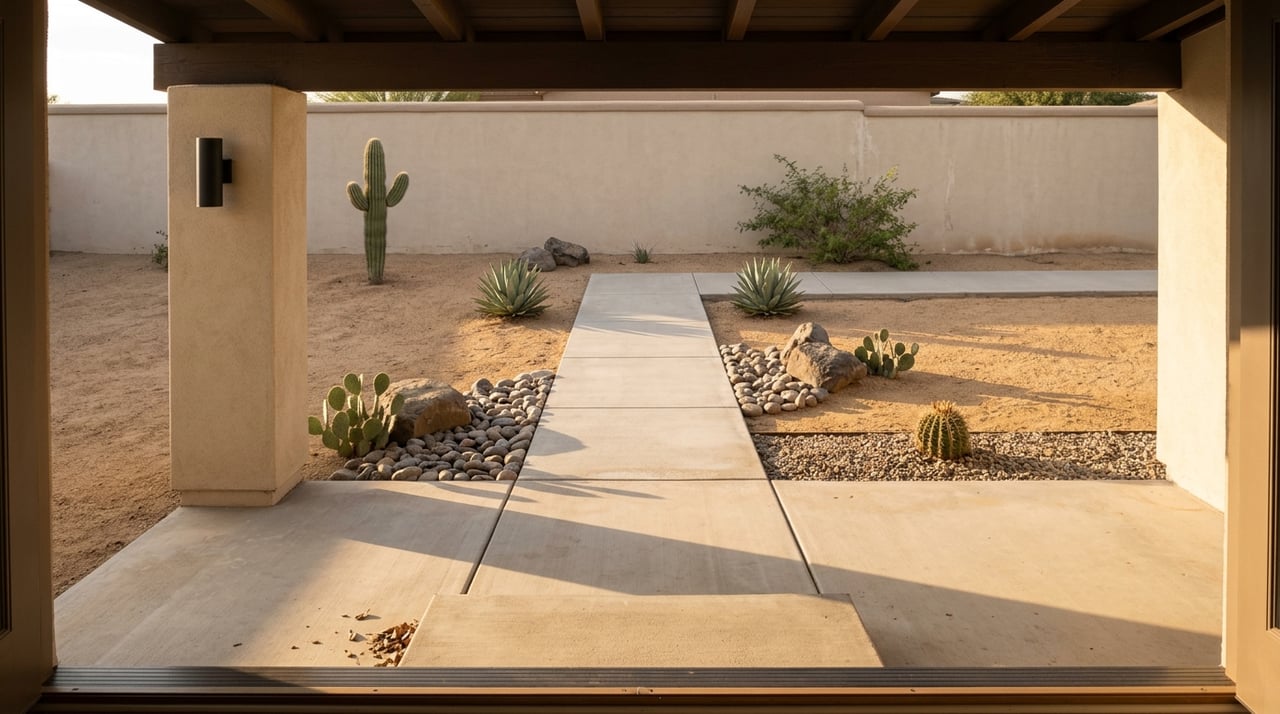
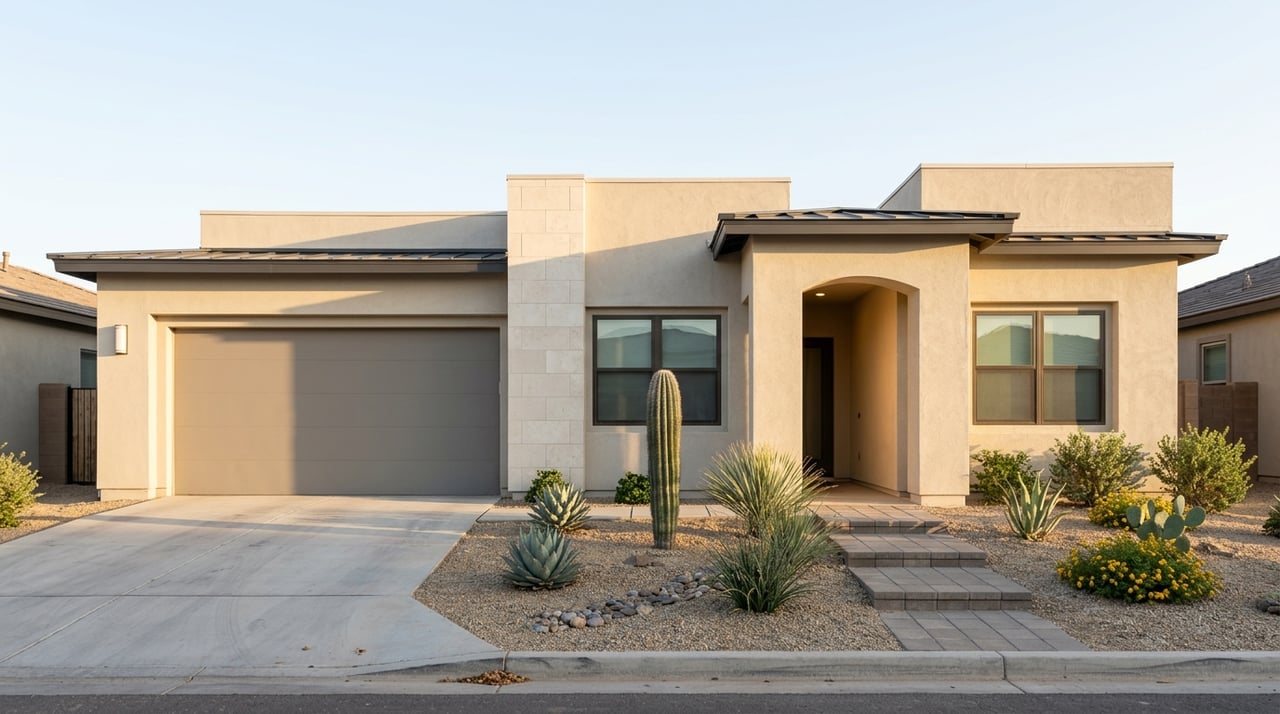
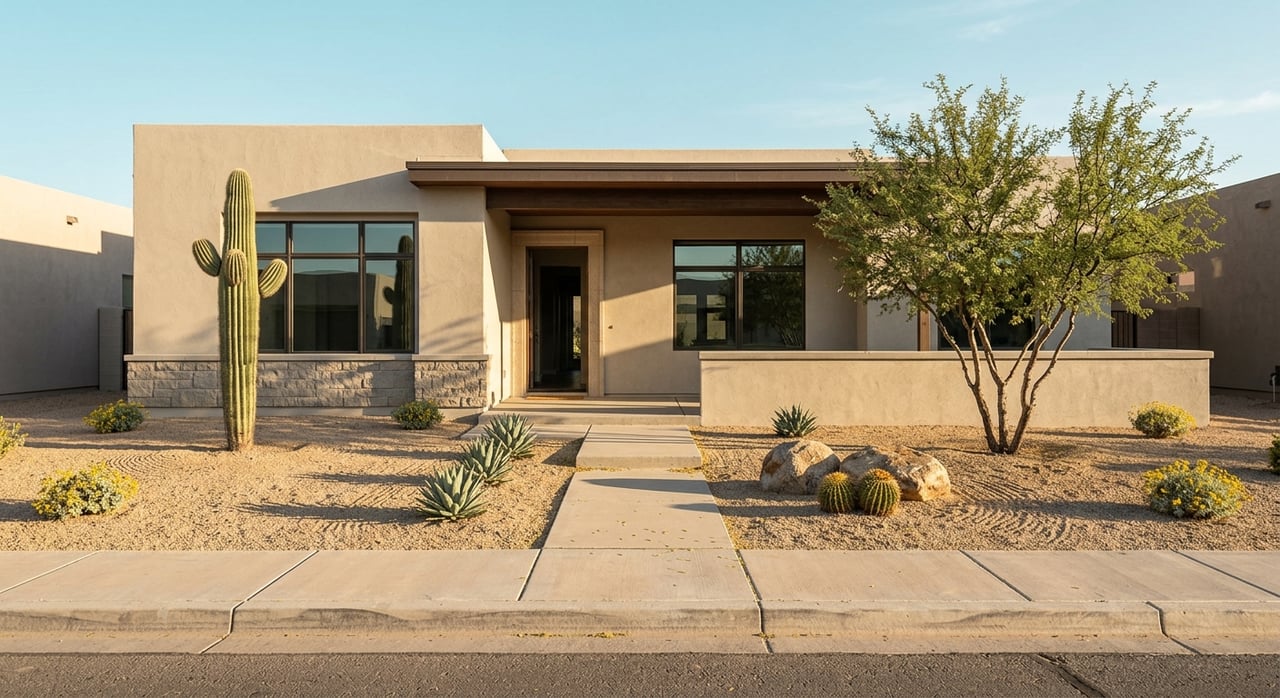
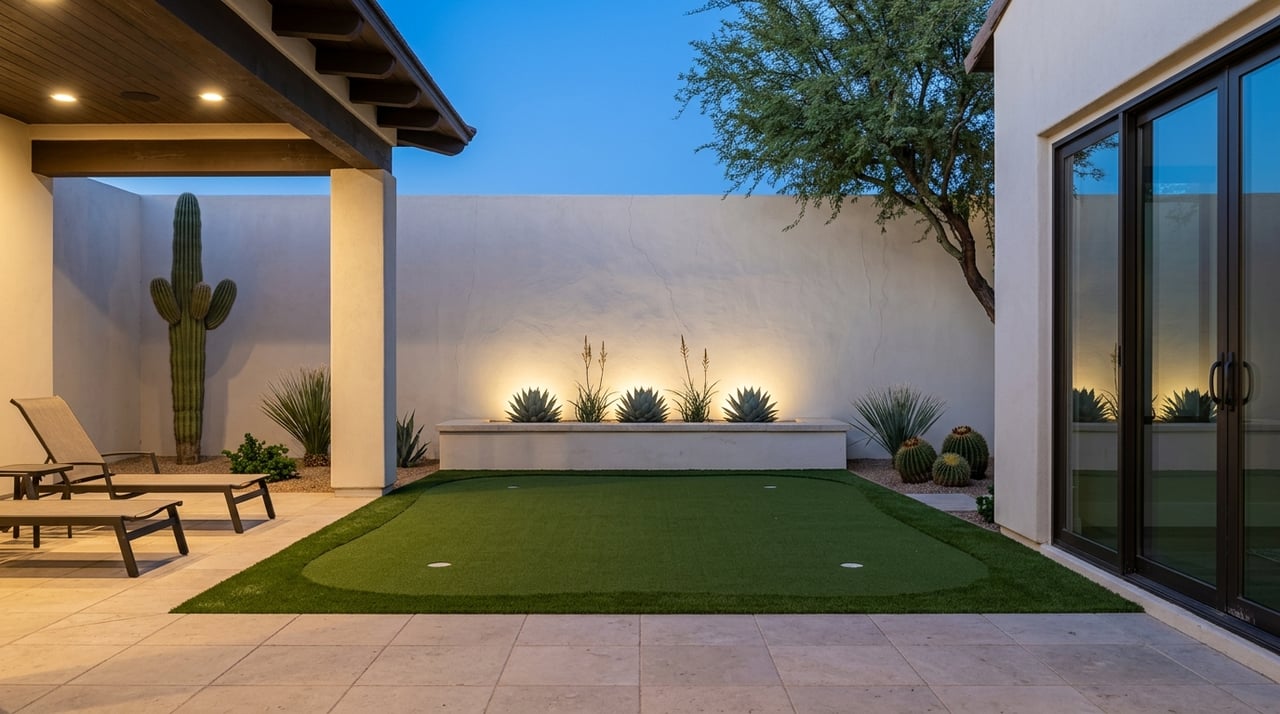
A Tucson yard usually succeeds when it works with the climate instead of fighting it. Rather than trying to maintain a landscape that depends on heavy watering, many homeowners focus on desert-adapted plants, efficient irrigation, and smart use of runoff.
The City of Tucson says about 60% of a typical property’s water use is internal and 40% is external. That makes outdoor planning a meaningful part of long-term utility use and home maintenance.
In Tucson, water harvesting means capturing storm runoff for supplemental irrigation. This approach fits the local climate because monsoon rains can be brief but heavy, giving homeowners a chance to direct water where it can support the landscape.
The city also identifies xeriscape requirements as its main landscaping water-use reduction method in the Land Use Code. In practical terms, that means low-water landscaping is not just a design preference here. It is part of how Tucson approaches responsible growth and homeownership.
If you are new to desert landscaping, you do not have to figure it out alone. Tucson Water offers landscape resources and desert-adapted plant lists, and some single-family customers may qualify for a gray water harvesting rebate.
You can also tap into free classes and gardening guidance through the Pima County Master Gardeners and the Tucson Garden Handbook. For many new homeowners, these resources are a great starting point for learning what grows well, how often to irrigate, and how to avoid overwatering.
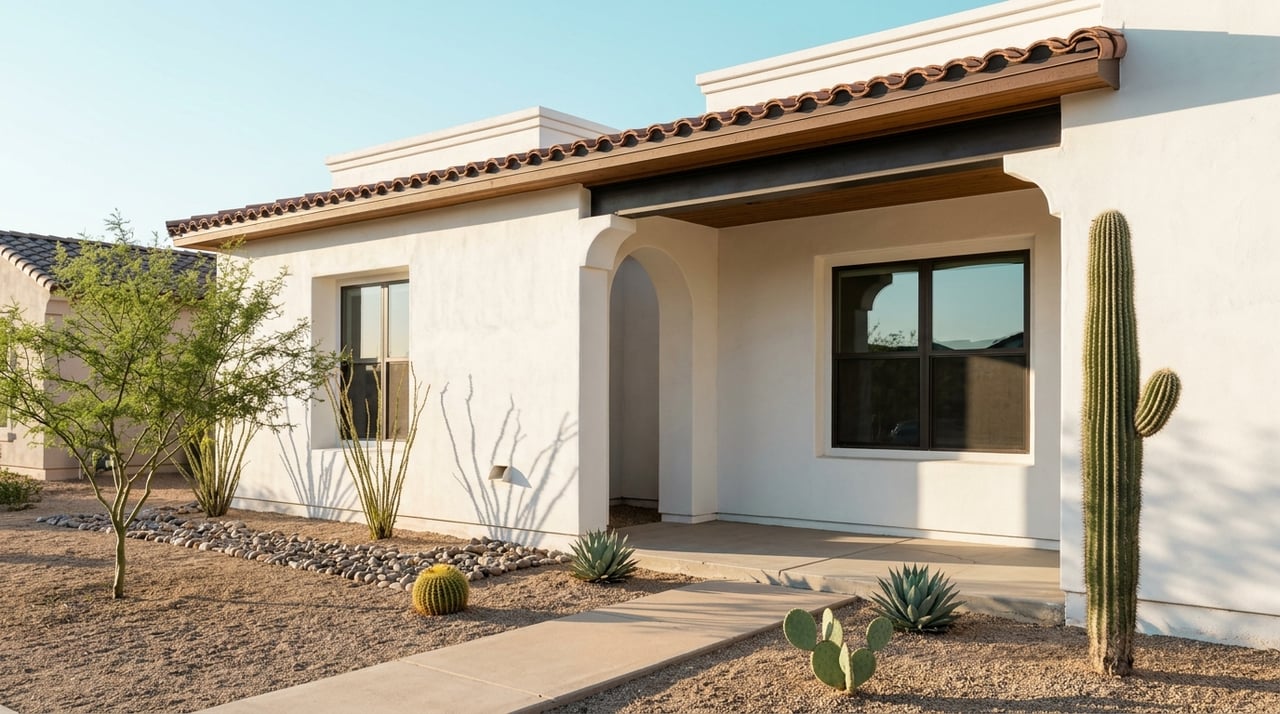
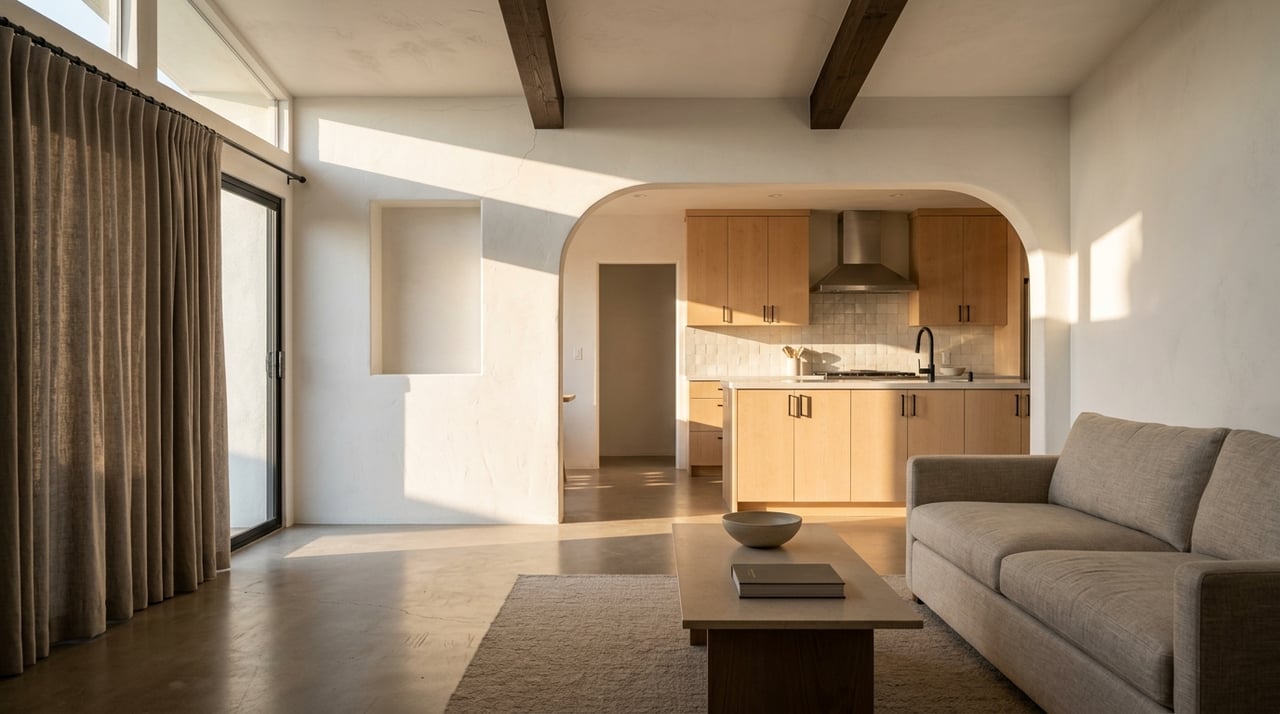
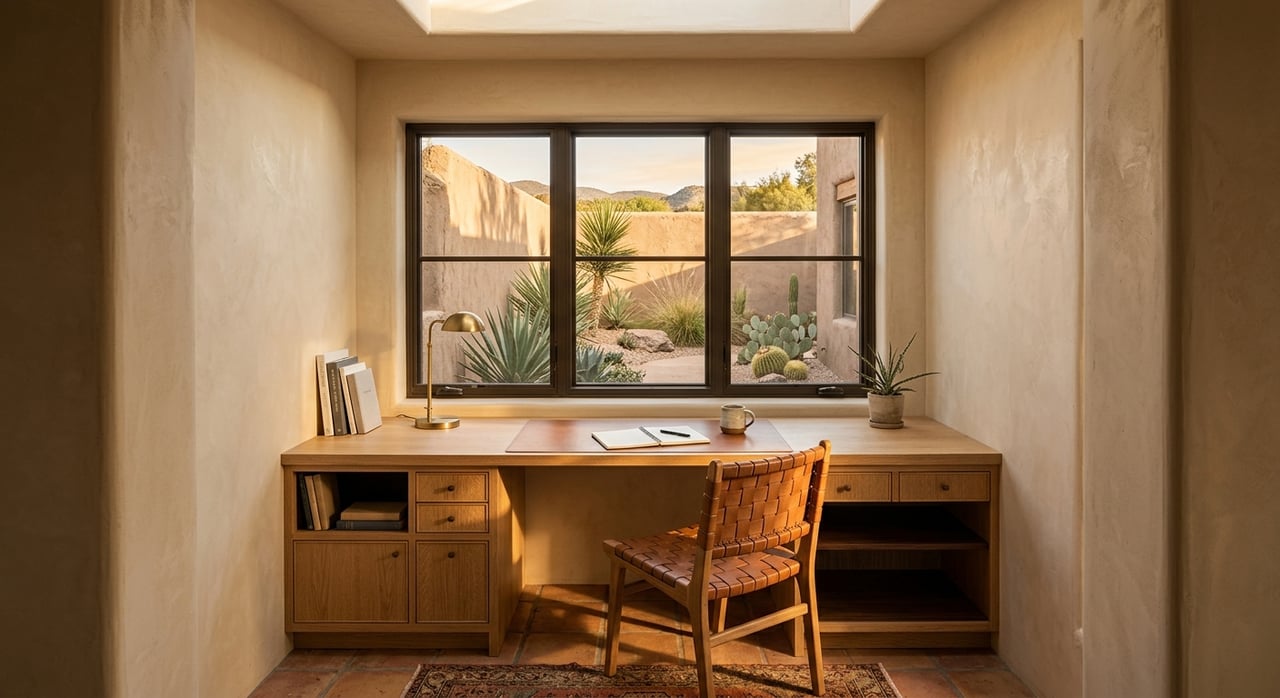
Many Tucson homes reflect the climate in ways that are easy to overlook at first. In older parts of the city, adobe and stucco construction can be common, and Spanish Eclectic homes are often associated with red-tile clay roofs and rounded parapets.
These are not just style choices. The City of Tucson’s green retrofit guidance explains that older adobe walls, narrow openings, breathable stucco finishes, and tall ceilings helped reduce solar heat gain and move hot air above the living space.
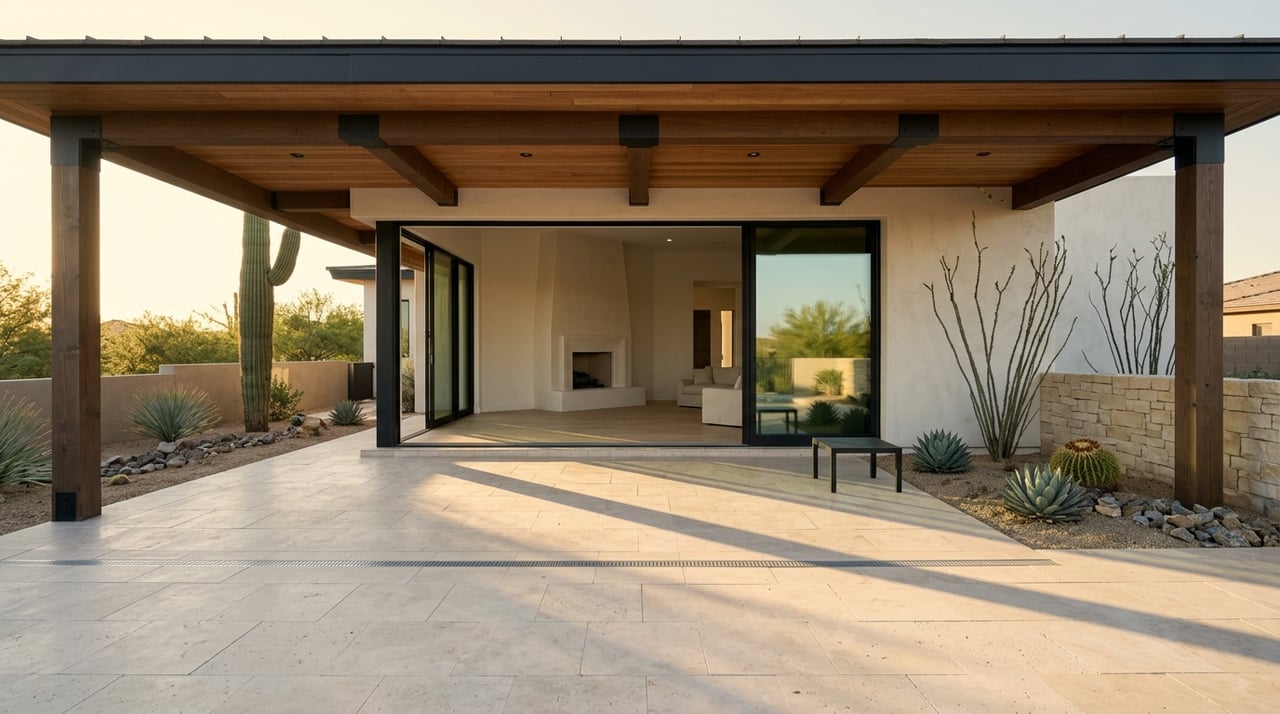
When you buy in Tucson, the roof and exterior can tell you a lot about how a home handles heat and storms. Clay tile can be part of a cool-roof system, and the Department of Energy notes that cool roofs save the most energy in hot climates.
That does not mean one roof type is right for every home. It does mean you should ask practical questions about roofing material, roof age, recent maintenance, drainage patterns, and how the home uses shade and exterior materials to manage the desert environment.
It is easy to focus on kitchens, flooring, and paint colors when you tour homes. In Tucson, you also want to pay close attention to drainage, patio shade, sun exposure, exterior condition, and how the property may perform during both extreme heat and monsoon weather.
Those details can have a big impact on comfort, maintenance, and long-term ownership costs. A home that is designed well for Tucson often feels easier to live in, not just prettier to look at.
One of the rewards of living in Tucson is that the desert lifestyle comes with real access to recreation and everyday convenience. Saguaro National Park sits on both the east and west sides of the modern city, and Sabino Canyon Recreation Area offers year-round access for hiking, biking, picnicking, and interpretive outings.
That means your new routine can include early morning trail time, scenic drives, and quick nature breaks without needing to leave the metro area. For many homeowners, that easy access is one of Tucson’s biggest lifestyle advantages.
Tucson also offers practical connections that support daily life. Tucson International Airport is about 8 miles south of downtown, and the Sun Link streetcar connects five districts along a 3.9-mile route while integrating with Sun Tran and University of Arizona transit.
Parks are another plus. Tucson Parks and Recreation maintains parks across the city and also makes school yards available after school and on weekends to expand nearby recreation access.
For many buyers, convenience is not only about dining and recreation. Healthcare access also matters when you choose where to live and how you plan your routines.
Tucson Medical Center is a regional hospital with more than 600 beds, and Banner – University Medical Center Tucson is another major local hospital. Knowing these resources are part of the metro can offer peace of mind as you get settled.
If you are settling into a new Tucson home, start with the basics that matter most in this climate. A little preparation early on can make your first year smoother and help you avoid common surprises.
Here are a few smart first steps:
Buying a home here is not just about square footage or finishes. It is also about understanding how a property will live in Tucson’s heat, how it may perform during monsoon season, and what kind of yard, roof, and exterior setup will make life easier over time.
That is where local experience matters. When you have someone in your corner who understands Tucson homes, neighborhood patterns, and the practical side of desert living, you can make decisions with a lot more confidence.
If you are planning a move in Tucson or buying your first desert home, Jessica Sanchez can help you look beyond the listing photos and focus on what really matters for daily life, long-term comfort, and smart homeownership.
Stay up to date on the latest real estate trends.
Jessica Sanchez has worked in the real estate industry for over 20 years and has amassed a renowned class of clientele and unmatched experience.
Let's Connect
Jessica Sanchez
6444 E Tanque Verde Rd, Tucson, AZ 85715