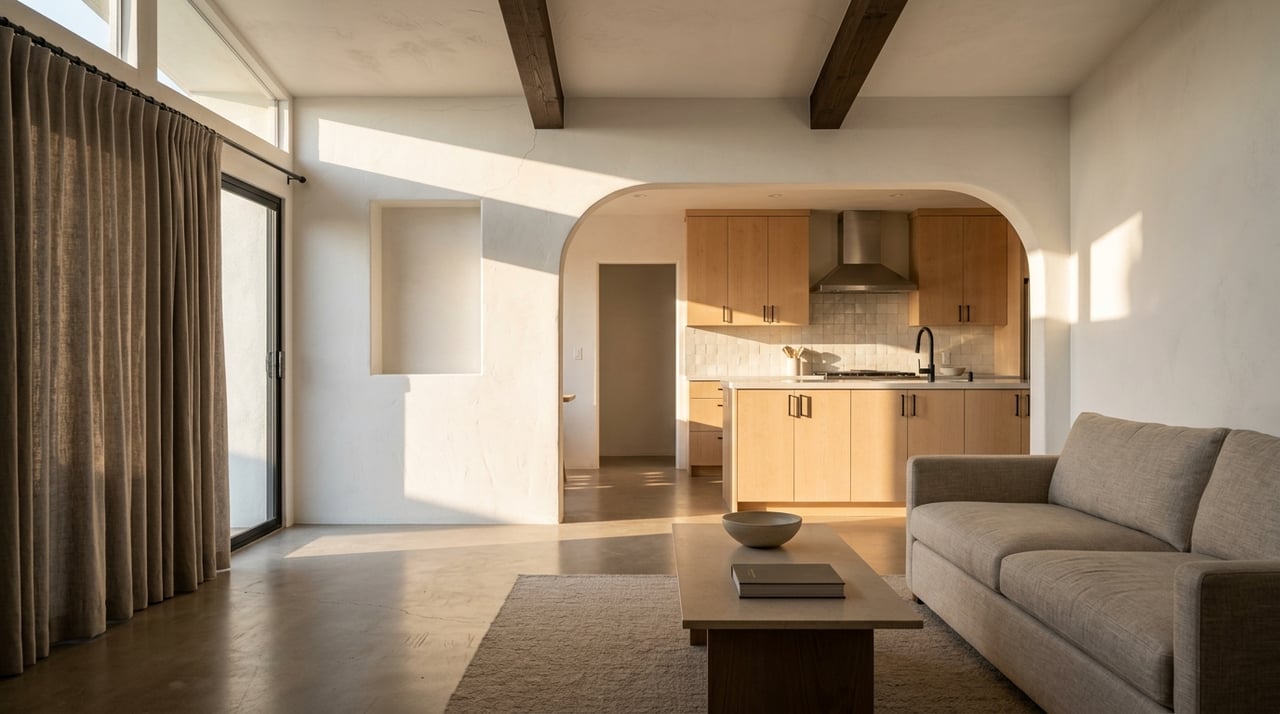
VA Loan Fixer Upper Tucson: What to Know First
June 25, 2026
June 25, 2026
Wondering if you can use your VA loan to buy a fixer in Tucson? The short answer is yes, but the type of work the home needs matters a lot. If you are looking at a property with dated finishes, you may have a straightforward path. If the home has bigger issues like roof damage, termites, or electrical problems, the process can get more complex. This guide will help you understand where the line usually falls, what Tucson buyers should watch for, and how to plan your next steps with confidence. Let’s dive in.
A VA-backed purchase loan can be used to buy a home you plan to live in. That occupancy piece matters, especially if you are comparing fixer options that may need work before they feel fully finished.
The good news is that VA guidance allows buyers to purchase a home and improve it. In some cases, that means a standard VA purchase loan may work. In others, a VA alteration and repair structure may be the better fit if the repairs are more involved.
If the Tucson home you want mostly needs paint, flooring, light fixtures, or similar updates, a standard VA purchase is often the simplest route. VA minimum property requirements are focused on safety, structural soundness, and sanitation, not cosmetic preferences.
That means normal wear, minor deferred maintenance, and cosmetic issues usually do not trigger required repairs. For many buyers, this is the sweet spot: a home that is livable now, with room to update it over time.
These types of projects are generally easier to manage with a standard VA purchase:
In Pima County, finish work like carpet, paint, cabinets, and countertops that do not affect plumbing or electrical generally does not require a permit. That can help keep your timeline simpler.
A fixer stops being a simple cosmetic project when the home has defects that could affect habitability or trigger VA minimum property requirements. This is where many buyers run into delays, renegotiations, or the need for a different loan structure.
The VA appraiser is looking at value and basic condition. If the appraiser sees issues tied to safety, sanitation, or structural soundness, those items may need to be addressed.
These are the types of issues more likely to create friction with a VA-financed purchase:
For Tucson buyers, termite and pest concerns deserve extra attention. In Arizona, wood-destroying insect information is required statewide before the Notice of Value is issued, so pest-related conditions are not something to treat as an afterthought.
This is one of the most important points for any fixer purchase. A VA appraisal is not the same as a home inspection.
The appraisal helps determine value and checks the property’s basic condition against VA standards. A home inspection is your chance to get a more complete picture of the home’s systems, defects, and future maintenance needs.
If you are buying a Tucson fixer, you should treat the inspection as essential. A home can look workable on the surface and still have hidden issues behind walls, under roofing materials, or in major systems.
Fixer properties can be harder to price, especially when condition is inconsistent or repair needs are not fully clear. If the VA appraisal comes in below the contract price, you may need to explore a few options.
Those options can include a reconsideration of value, a price reduction, or bringing cash to cover the gap. Because that risk is real with homes that need work, the VA recommends using the VA escape clause or option clause in the contract.
That protection can give you more flexibility if the appraisal does not support the agreed price. It is one more reason to go into a fixer purchase with a clear strategy.
If the property needs more than surface-level updates, a VA alteration and repair loan may make more sense than a plain purchase loan. Under that structure, improvements can be included in the value, and repairs can be completed after closing.
Funds are drawn to the contractor during the repair period, and the lender must get your written approval before each draw. This can create a workable path for homes that need substantial improvement, but it also adds coordination.
For a purchase using this structure, acquisition cost can include:
That can be helpful if you have found the right house in the right Tucson location, but it needs meaningful work before it truly meets your goals.
Not every lender is able or willing to close VA alteration and repair loans. That is a practical issue many buyers do not discover until they are already under time pressure.
If you are thinking about a fixer, talk with a VA-savvy lender as early as possible. You want to know whether the lender can handle repair-related VA financing, what documentation they will need, and how they manage contractor approvals and draw schedules.
This is especially important in Tucson, where permit-heavy repairs can add steps that affect timing. The clearer your team is at the start, the fewer surprises you are likely to face later.
In the City of Tucson, permits and inspections are required for many residential projects. That includes work involving additions, porches, air conditioners, water heaters, many electrical and gas changes, walls and fences, and remodeling.
The city also notes that most residential construction plans are reviewed before permits are issued. That means repair-heavy projects can take more time than buyers expect.
Pima County says permits are generally required for:
By contrast, cosmetic finish work is often much simpler. If your fixer is mostly about style updates, your path may be much smoother than if the work touches structure, gas, roofing, HVAC, or electrical systems.
With a VA-financed fixer, your contractor matters almost as much as the property itself. VA guidance says you may choose the contractor, but the contractor must be registered with the VA. The lender may also require that the contractor be licensed, bonded, and insured under state and local rules.
Arizona buyers should verify the contractor’s license class and make sure the person negotiating the job is authorized to do so on behalf of the licensed contractor. For most VA fixer purchases in Tucson, using a properly licensed contractor is the cleanest path.
Before work begins, confirm:
If your planned improvements are modest and energy-related, the VA Energy Efficient Mortgage option may help. VA guidance says this option can finance up to $6,000 in improvements and must close with the VA loan.
This will not solve a major rehab project, but it can be worth discussing if your plans include smaller efficiency upgrades as part of your purchase.
Every fixer comes with tradeoffs. The right fit depends on the home’s condition, your budget, and how much complexity you are comfortable managing.
| Pros | Cons |
|---|---|
| You may be able to buy a home that needs some work without a traditional large down payment | Homes with MPR-level defects can stall the transaction |
| Cosmetic-fixer homes may work well with a standard VA purchase | Renovation-capable lenders are less common |
| VA guidance allows buying and improving a home | Permit-heavy repairs can add time and cost in Tucson and Pima County |
| You may have more inventory options if you are open to dated homes | Hidden structural, termite, or code-related issues can create delays |
If you want to use a VA loan for a fixer in Tucson, start by separating cosmetic wants from true repair needs. That one step can save you time, money, and stress.
A home that only needs finish updates may be a solid VA candidate. A home with roof, structural, termite, plumbing, or electrical issues may still be possible, but you should expect more moving parts.
The best approach is to line up your lender early, understand permit and contractor requirements, and get thorough inspections before you commit. That is how you protect both your budget and your peace of mind.
If you are weighing fixer options in Tucson and want an advocate who understands VA buyers, repair risk, and local inventory, reach out to Jessica Sanchez for a free consultation.
Stay up to date on the latest real estate trends.
Jessica Sanchez has worked in the real estate industry for over 20 years and has amassed a renowned class of clientele and unmatched experience.
Let's Connect

Jessica Sanchez
6444 E Tanque Verde Rd, Tucson, AZ 85715