Moving to Tucson Guide for Out-of-State Buyers
May 14, 2026
May 14, 2026
Thinking about moving to Tucson from out of state? You are not alone, and the biggest challenge usually is not deciding whether to move. It is figuring out where to start when one metro area can include historic city neighborhoods, newer suburban communities, foothills homes, and resort-style living. This guide will help you sort through Tucson-area options, understand a few local basics, and make your next steps feel much more manageable. Let’s dive in.
When people say “Tucson,” they often mean more than the City of Tucson itself. Pima County has more than 1 million residents, and much of that population lives across the greater Tucson metro, including places like Marana, Sahuarita, Vail, Catalina Foothills, and nearby unincorporated communities.
That matters because your move is rarely about choosing just one city name. It is really about choosing the kind of daily life you want, your budget, your commute pattern, and the style of home that fits you best.
Tucson proper is the urban core, with the largest concentration of city services, historic neighborhoods, and transit options. The city includes Sun Tran, Sun Van, Sun Link, and Sun On Demand, which can be helpful if you want broader transportation access or a more central location.
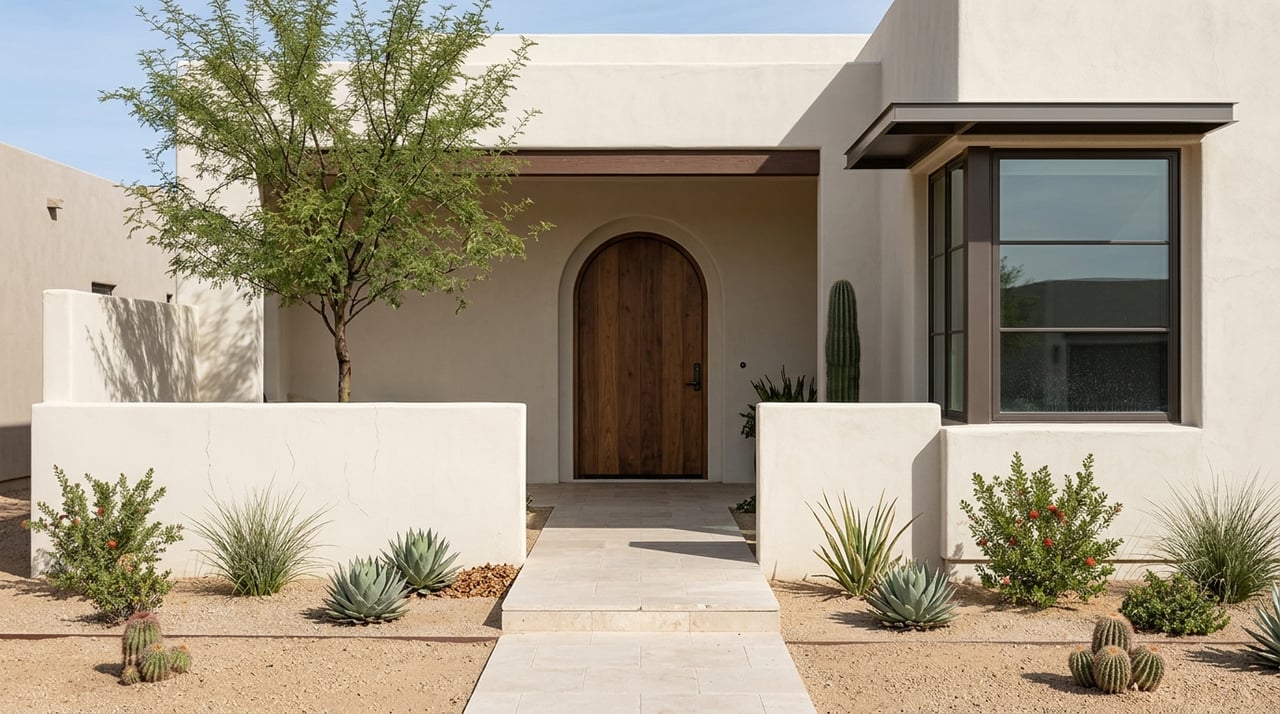
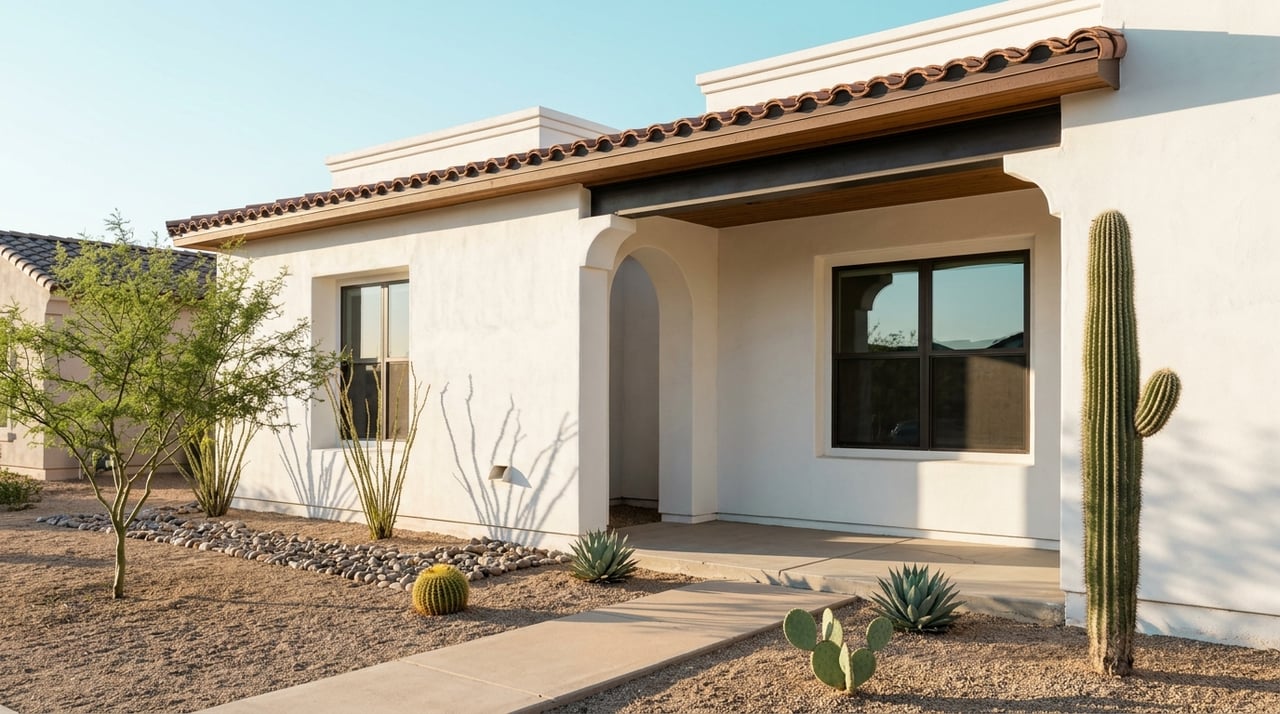
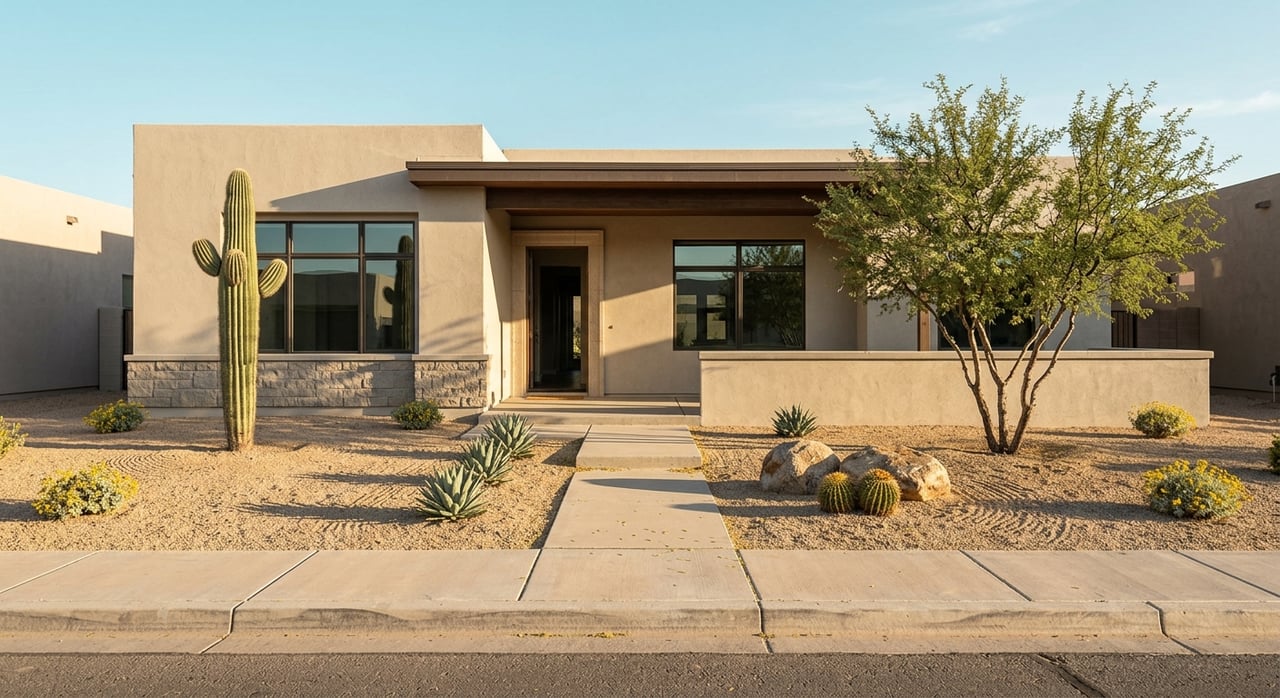
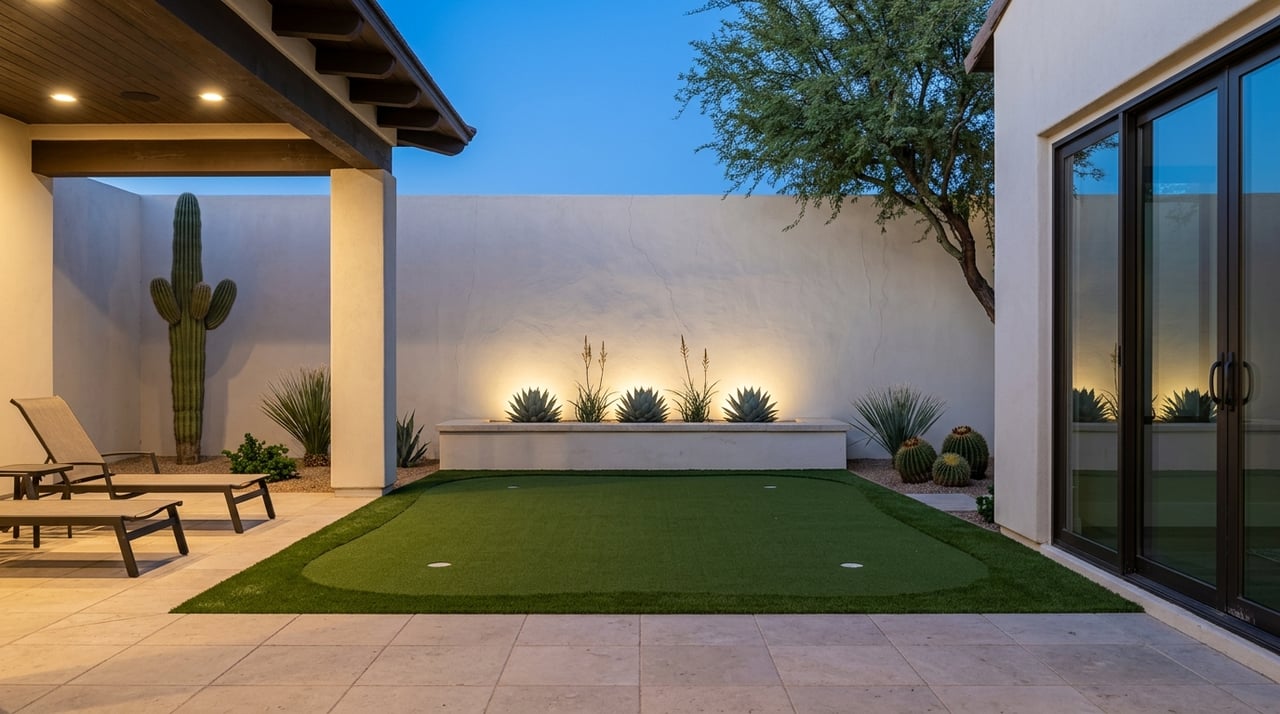
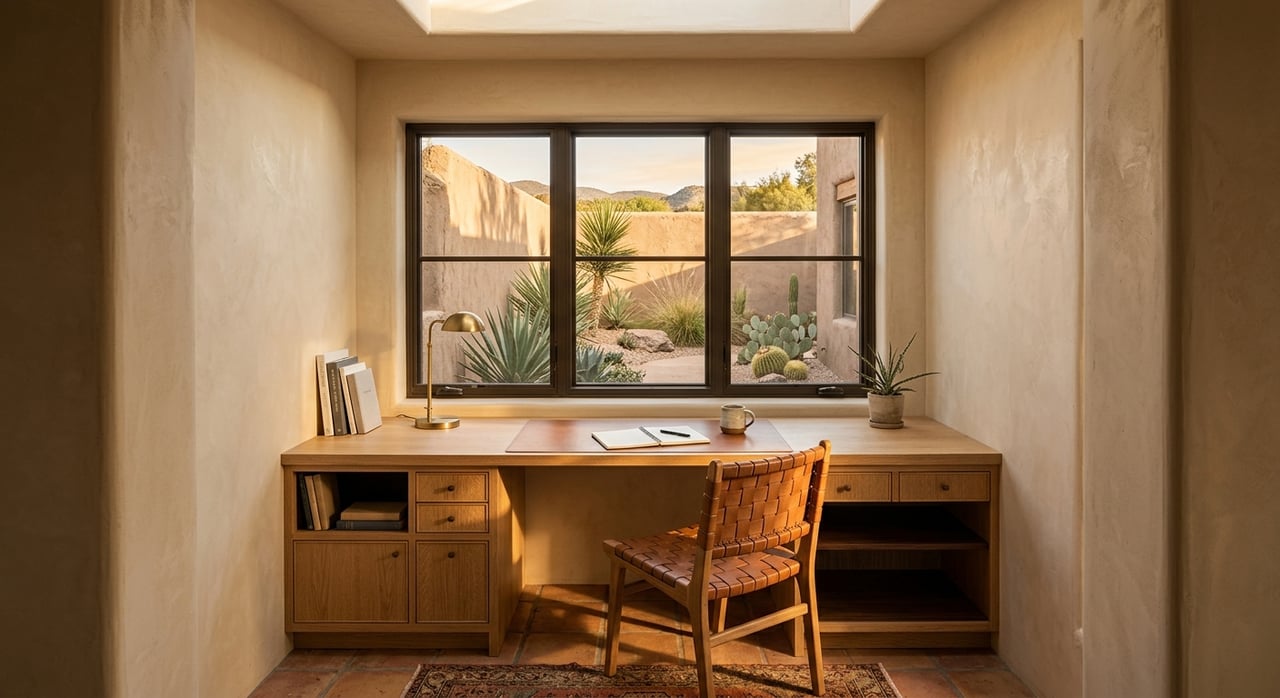
Housing also has a distinct local feel. Tucson includes a wide mix of Sonoran, Territorial, and postwar homes, so if you are relocating from another state, you may notice more architectural variety here than in many newer master-planned markets.
The weather should shape your moving plan early. Tucson’s climate normals show an annual average high of 84.0°F, an annual average low of 57.3°F, and about 10.61 inches of precipitation each year.
The bigger day-to-day issue for many newcomers is summer heat. Tucson averages about 68 days each year at 100°F or higher, along with about 12 days a year at or below freezing, so it helps to think ahead about move timing, utility costs, and how comfortable you are with desert summers.
Monsoon season is another factor to keep in mind. If you are buying from out of state, it helps to ask how weather patterns can affect inspections, travel plans, and the timing of your move.
Tucson has a reputation as a relatively lower-cost metro overall, and the 2023 regional price parity for Tucson was 94.3, below the U.S. baseline of 100. That said, home prices can vary a lot depending on which part of the metro you choose.
Here is a quick snapshot of median home values across key Tucson-area communities:
| Area | Median Home Value |
|---|---|
| Tucson | $266,200 |
| Sahuarita | $364,300 |
| Marana | $413,800 |
| Vail | $414,600 |
| Catalina Foothills | $652,000 |
This is why out-of-state buyers should compare submarkets, not just search the whole metro by price. A similar budget can lead to very different home types, lot settings, and neighborhood feel depending on where you focus.
Tucson proper may be a strong fit if you want the urban core, older homes, historic neighborhoods, and the broadest transit access. It also has a lower median home value than several surrounding communities, which lines up with its more renter-heavy profile.
If your priority is character, central location, and a wider range of older housing stock, this is often where your search begins. It can also be a useful starting point if you want to stay close to established city services and transit options.
Marana sits northwest of Tucson and has direct Interstate 10 access. The town describes itself as just northwest of Tucson, and it has highlighted growth in communities such as Gladden Farms, which now has more than 3,000 homes.
If you are looking for a suburban setting with convenient freeway access, Marana is often worth a closer look. It can appeal to buyers who want newer neighborhoods and a location tied closely to the northwest side of the metro.
Sahuarita is about 15 miles south of downtown Tucson and has emphasized planned growth and community development. It also sits roughly 35 miles north of the U.S.-Mexico border.
For buyers moving from out of state, Sahuarita can make sense if you want a more suburban environment south of Tucson. It is often part of the conversation for people who want to compare growing communities beyond the city core.
Vail is an unincorporated community in the southeast part of the metro. Pima County includes it among its southeastern communities, and Census data shows high owner occupancy and a relatively high median household income.
That combination often puts Vail on the radar for buyers comparing newer suburban markets. If you want to explore southeastern Pima County, Vail is one of the key places to evaluate early in your search.
Catalina Foothills is one of Pima County’s established higher-end residential areas. Among the communities listed here, it has the highest median home value at $652,000.
If your priorities include a foothills setting, mountain views, and higher-end housing, this area deserves a close look. It tends to attract buyers who want a distinct foothills lifestyle rather than a typical suburban layout.
Dove Mountain is a Marana-area option known for a resort and outdoor recreation profile. The area includes access to trails, including a trailhead into Wild Burro Canyon, and it is also home to the Ritz-Carlton Dove Mountain in Marana.
For some out-of-state buyers, that setting is a major draw. If you picture desert scenery, outdoor access, and a more resort-oriented atmosphere, Dove Mountain may belong on your shortlist.
If you are moving from another state, the best first step is to narrow your search area before you fall in love with individual listings. The Tucson metro covers a wide range of home styles, price points, and settings, so location strategy matters early.
Once you know the areas you want to compare, focus on a few practical details that can affect your move and your budget.
It is easy to start scrolling homes right away, but that can slow you down. In Tucson, the same broad search can include historic city properties, suburban master-planned communities, foothills homes, and resort-oriented inventory.
A local, neighborhood-level comparison will usually save you time and help you make better choices. This is especially true if you are trying to balance lifestyle, price, and housing type from a distance.
Property taxes are an important part of your monthly and annual budget. In Arizona, property is assessed annually by the county, and Pima County sends valuation notices by March 1.
Taxes are due in two installments on October 1 and March 1, with delinquency dates of November 1 and May 1. Pima County also notes that many homeowners pay property taxes through mortgage escrow, so it is smart to ask how that will be handled during your transaction.
Pima County advises buyers to ask for a copy of the most recent tax bill. That gives you a clearer picture of what has been billed and helps you plan beyond just the purchase price.
It is also smart to confirm that your mailing address is correct with the county assessor after closing. That small step can help you avoid missed notices later.
Remote closings can be much easier today than many buyers expect. Arizona allows remote online notarization through audio-visual technology, which can be especially helpful if you are buying from another state and cannot be in Tucson in person.
That said, it is still important to confirm the exact process ahead of time. Knowing how documents will be signed and notarized can reduce stress as closing day gets closer.
If you feel overwhelmed, start by matching your lifestyle to the right submarket. That is often the clearest path forward for an out-of-state move.
Here is a simple way to think about it:
This approach can help you stay focused and avoid wasting time on homes that do not fit the life you actually want in Tucson.
Out-of-state moves come with more unknowns. You are trying to learn the market, compare areas, understand costs, and manage timing, all without the benefit of already living nearby.
That is where a local guide can make a real difference. With deep Tucson roots, neighborhood-level knowledge, and hands-on support for buyers across Tucson, Catalina Foothills, Marana, Vail, Sahuarita, and Dove Mountain, Jessica Sanchez helps you sort through your options with clarity and confidence.
If you are ready to plan your Tucson move, connect with Jessica Sanchez for a free consultation and a practical, local game plan.
Stay up to date on the latest real estate trends.
Jessica Sanchez has worked in the real estate industry for over 20 years and has amassed a renowned class of clientele and unmatched experience.
Let's Connect

Jessica Sanchez
6444 E Tanque Verde Rd, Tucson, AZ 85715