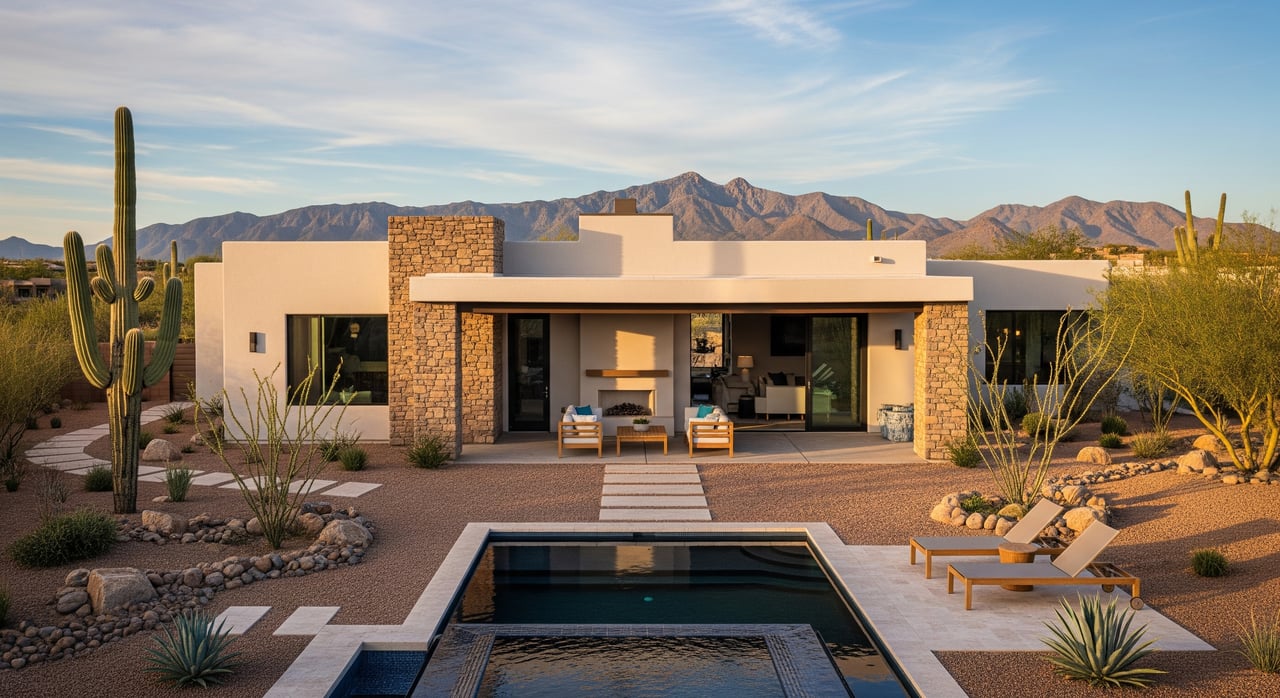
Marana Cost of Living: A Practical Guide for Home Buyers
December 4, 2025
December 4, 2025
Thinking about moving to Marana and trying to pin down the real cost of living? You’re smart to ask before you shop. Your monthly budget in this northwest Tucson suburb can swing based on neighborhood, HOA rules, home age and size, and how much you run your A/C in summer.
In this guide, you’ll learn what truly drives Marana housing costs and how to estimate your mortgage, taxes, insurance, utilities, and commute. You’ll also get a practical checklist to compare neighborhoods and avoid surprises. Let’s dive in.
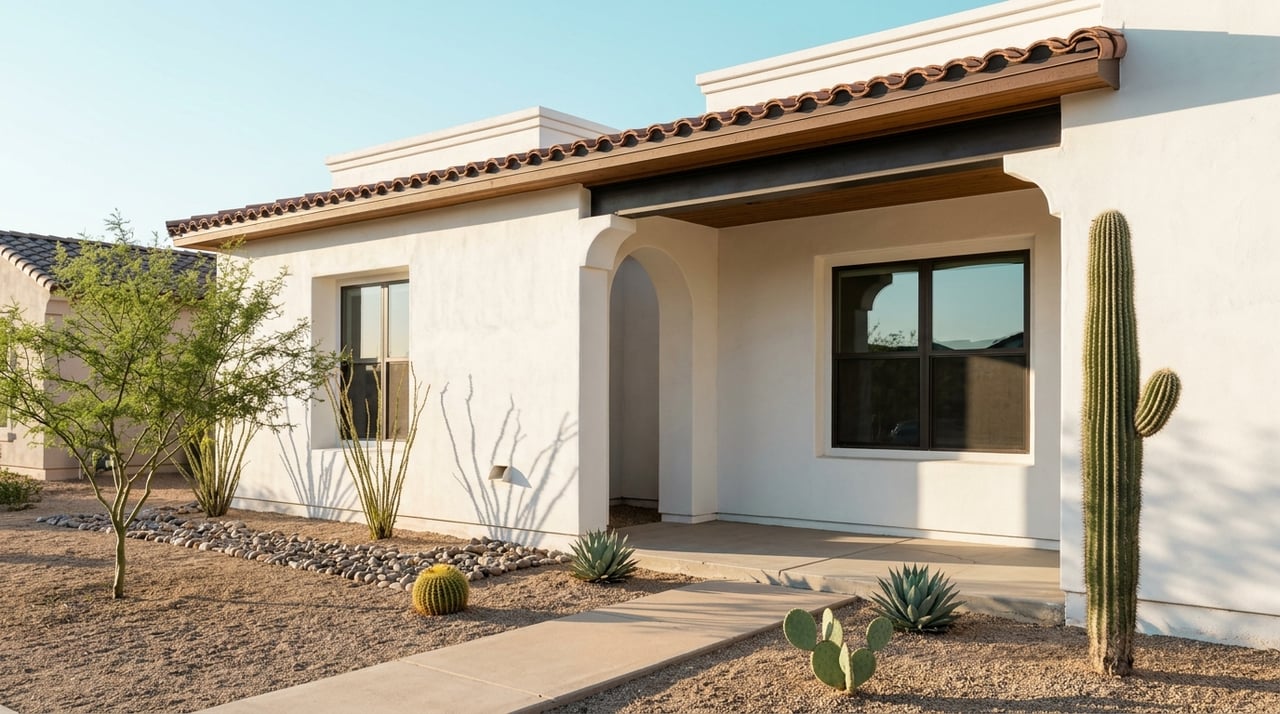
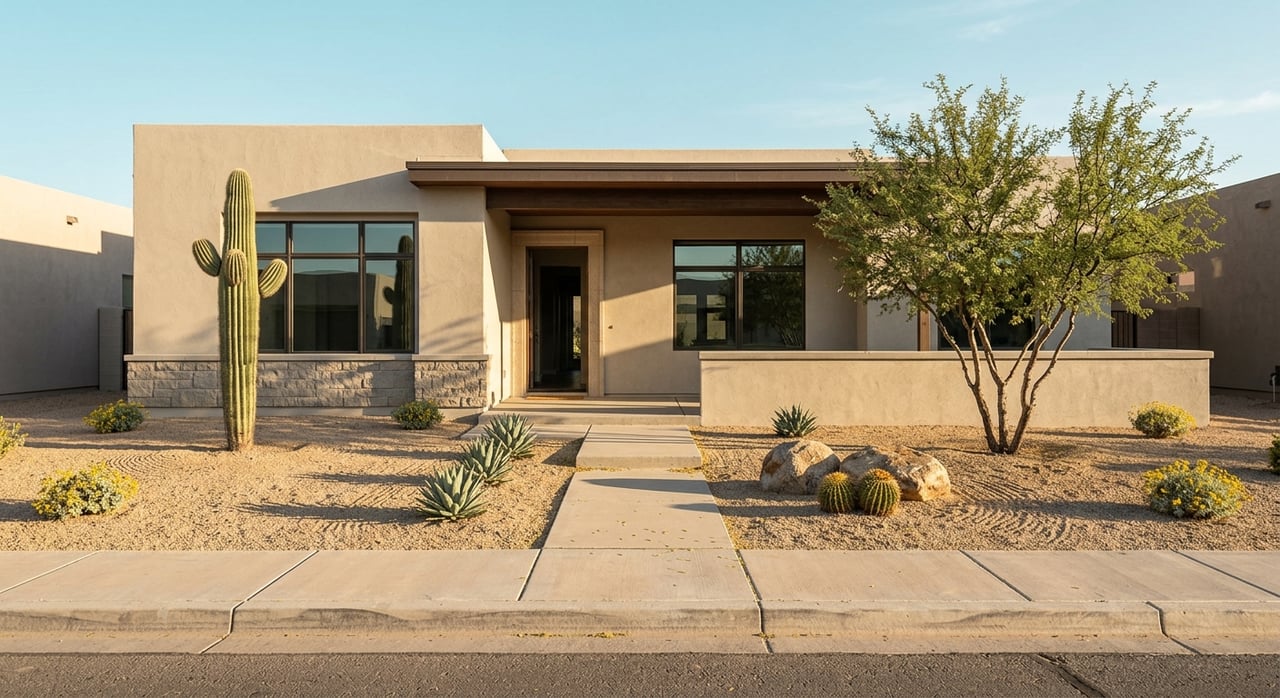
Marana blends new master‑planned communities with established neighborhoods and rural acreage. Many homes are newer than in central Tucson, which can mean different maintenance and energy profiles. You’ll find small‑lot subdivisions, amenity‑rich gated areas, and larger lots on the outskirts.
When you compare Marana to nearby suburbs, expect some differences. Oro Valley often trends more expensive. Vail and Sahuarita can be more affordable in certain areas or offer more rural options. Central Tucson has older housing stock and different upkeep needs.
Ask a local agent for a current comparative market analysis so you’re working with fresh data across Marana, Oro Valley, Vail, and Sahuarita.
Your mortgage payment typically includes principal and interest, and it may include escrowed property taxes and homeowners insurance. If you put less than 20 percent down, you might also carry private mortgage insurance.
To rough in a payment, start with this approach:
Rates and closing costs change often, so pull current quotes. If you’re buying rural or non‑conforming property, ask lenders about extra reserves or program requirements. Local lenders often understand Pima County processes and timelines, which can help.
Property tax equals assessed value multiplied by the local tax rate, with possible special assessments layered in. In Pima County, tax rates vary by taxing district and property type.
Here’s how to research a specific home:
Build an estimate into your monthly budget. If your lender escrows taxes, you’ll pay a prorated amount with your mortgage payment.
Many newer Marana subdivisions and master‑planned communities have HOAs. Fees range widely based on services and amenities. Minimal‑service HOAs can run about $20 to $100 per month, while amenity‑rich neighborhoods with pools, trails, clubhouses, or security can be several hundred per month.
Before you commit, request and review:
If the HOA includes front‑yard landscaping, exterior maintenance, or trash service, note the savings in your monthly plan. If it restricts short‑term rentals or exterior changes, confirm those align with your goals.
Utilities you’ll plan for include electricity, natural gas, water, sewer, trash, and internet. Electricity usage spikes in summer due to A/C. Expect higher bills from June through September, with milder costs in winter.
Providers commonly serving the area include Tucson Electric Power for electricity, Southwest Gas for natural gas, and the Town of Marana or regional providers for water. Sewer is typically through Pima County or the Town. Availability can vary by address, so verify service providers for any specific home.
Tips to sharpen your estimate:
Homeowners insurance premiums depend on replacement cost, age and condition of the home, roof type, and claims history. Flood insurance is separate and may be required if the property sits in a mapped flood zone. Wildfire and wind exposure can also affect availability and cost in parts of Arizona.
Protect yourself by:
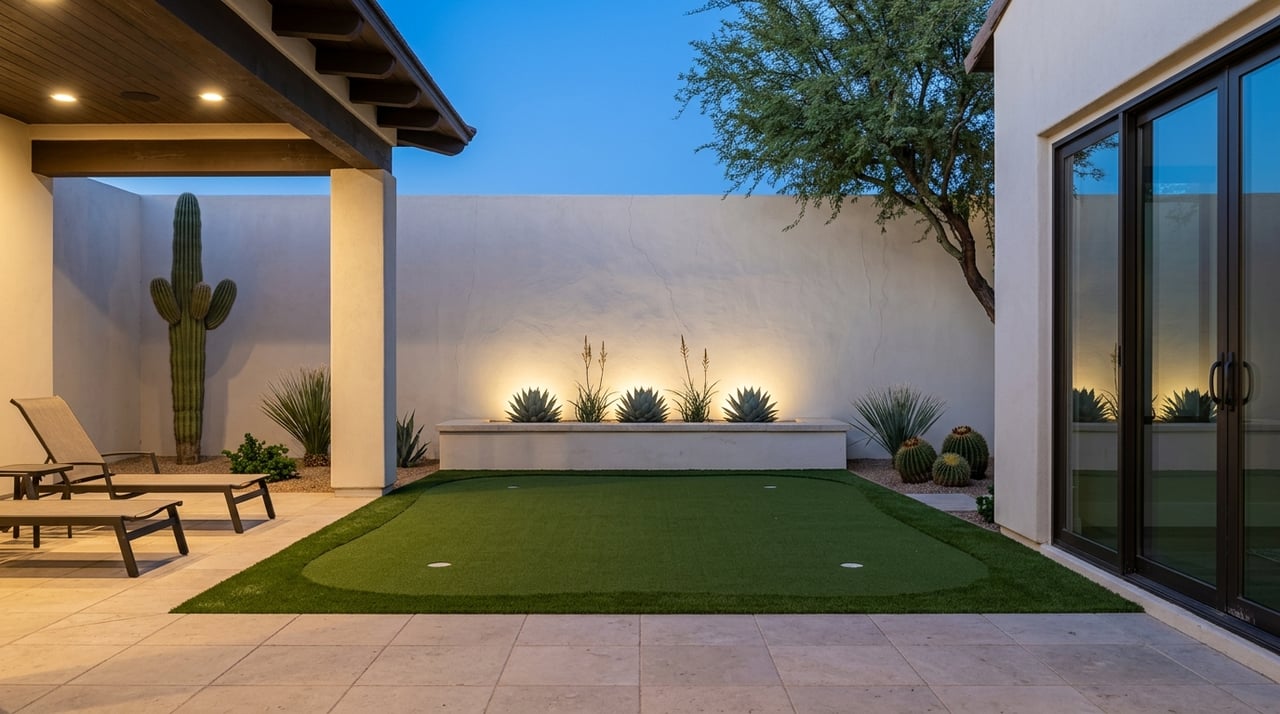
Desert‑friendly landscaping reduces water use compared with turf but can carry upfront installation costs. Larger irrigated lots will raise water and maintenance expenses. If you hire landscaping help, include a monthly line item and a seasonal refresh.
Pools add recurring costs for service, chemicals, and electricity. If you expect to maintain the pool yourself, price equipment and supplies. If you’re in an HOA community, budget for possible special assessments alongside your own capital reserves for roof or A/C replacement.
Marana sits northwest of central Tucson. Many residents commute to Tucson employment centers such as the University area or downtown, while others work in Marana’s growing retail and industrial nodes. Some commuters travel to Phoenix, though that trip is a longer, less common daily route.
Transit is limited compared with major metros. Sun Tran serves the broader Tucson area, and park‑and‑ride options vary by location. Most buyers find that owning a car is necessary.
To estimate fuel cost, use a simple method:
Run this calculation for two or three home locations. The result can help you weigh a lower home price against a longer commute.
Hot summers push A/C usage higher. Shade, window treatments, attic insulation, and a well‑maintained HVAC system can reduce costs. Mild winters mean less heating, yet you may still run heat occasionally.
Marana Unified School District serves much of the area. School boundaries and neutral performance indicators can influence home values and buyer preferences. If schools matter in your search, review district resources and confirm boundaries for a specific address.
Many neighborhoods offer trails, parks, golf, and access to desert open space. Amenity‑heavy communities often fund those features through HOA dues, so weigh lifestyle benefits against monthly budget. Proximity to shopping, medical services, and grocery options can also reduce day‑to‑day travel costs.
Rural lots can offer privacy and lower cost per acre, but they may come with higher ongoing expenses. Include well and septic upkeep, driveway maintenance, and longer trips to services. Confirm allowed uses and any zoning considerations before you buy acreage.
Use this checklist to build a realistic relocation budget for Marana:
Upfront and transaction costs
Monthly and ongoing costs
Periodic and contingent costs
Relocation extras
Create a short list of communities, then compare them on the same factors. Look at price trends, lot size, home age, HOA presence and fees, commute to your workplace, and seasonal utility patterns for the home size you want. Drive the neighborhoods at different times of day to assess traffic and noise.
If you like new construction, note the premium for new builds or gated entries and what the HOA includes. If you want space, weigh rural upkeep and drive times against the extra acreage.
You do not need to figure this out alone. With decades of Tucson‑area experience, I can pull current Marana numbers, ask the right utility and insurance questions, and help you compare HOA rules and transfer fees. If you are using a VA loan, I can guide you through local nuances and builder incentives, and surface off‑market opportunities that may fit your budget.
Ready to build your Marana cost‑of‑living plan and shop with confidence? Let’s connect for a neighborhood‑by‑neighborhood comparison and a tailored budget for your move. Reach out to Jessica Sanchez to get started.
Stay up to date on the latest real estate trends.
Jessica Sanchez has worked in the real estate industry for over 20 years and has amassed a renowned class of clientele and unmatched experience.
Let's Connect

Jessica Sanchez
6444 E Tanque Verde Rd, Tucson, AZ 85715