Are you weighing a Marana rental but unsure how to pin down a realistic return? You’re not alone. Investors often struggle to separate optimistic listings from true, bankable cash flow. The good news is you can build a clear, local ROI picture with a simple process, reliable data checks, and a tight expense model. In this guide, you’ll learn how to estimate rents and vacancy, choose the right property type, model every major cost, and stress test your deal before you write an offer. Let’s dive in.
Why Marana merits a close look
Marana sits within the Tucson metro, so many rental drivers are regional. That means you should review both town and metro trends before you underwrite a deal. Start by confirming population and household changes using the U.S. Census American Community Survey, and track employment and wages for the Tucson MSA through the Bureau of Labor Statistics Tucson page and the Arizona Office of Economic Opportunity.
In your initial scan, look at:
- Population and household growth in Marana versus Pima County.
- Job trends and major employers within the Tucson MSA.
- New construction and permits that can affect future supply.
- Commuting patterns to Tucson, retiree and seasonal demand, and any short-term rental interest.
You can also review high-level planning and zoning context on the Town of Marana website.
Build rent and vacancy assumptions
Your rent estimate drives almost every return metric. Use multiple sources to triangulate a realistic number and segment by unit type and condition.
- Pull nearby listings and, when possible, recently leased data from the MLS. Ask a local agent for leased comps in the same subdivision and bedroom count.
- Adjust for features: updated kitchens and baths, appliance package, attached garage, fenced yard, and HVAC age. In Arizona, air conditioning and irrigation matter.
- Cross-check your top-line estimate against HUD Fair Market Rents for Pima County. FMR is a reference point, not the final word, but it helps keep your numbers grounded.
For vacancy, model a range. A common rule of thumb for stabilized long-term rentals is 5 to 10 percent vacancy. Use the high end for luxury, seasonal, or niche properties. In Sun Belt markets, many move-ins happen in late spring and summer, so adjust your first-year lease-up timing if you buy off-season.
Choose the right property type
Each property type in Marana offers different risk and return traits. Match your choice to your target tenant and your management plan.
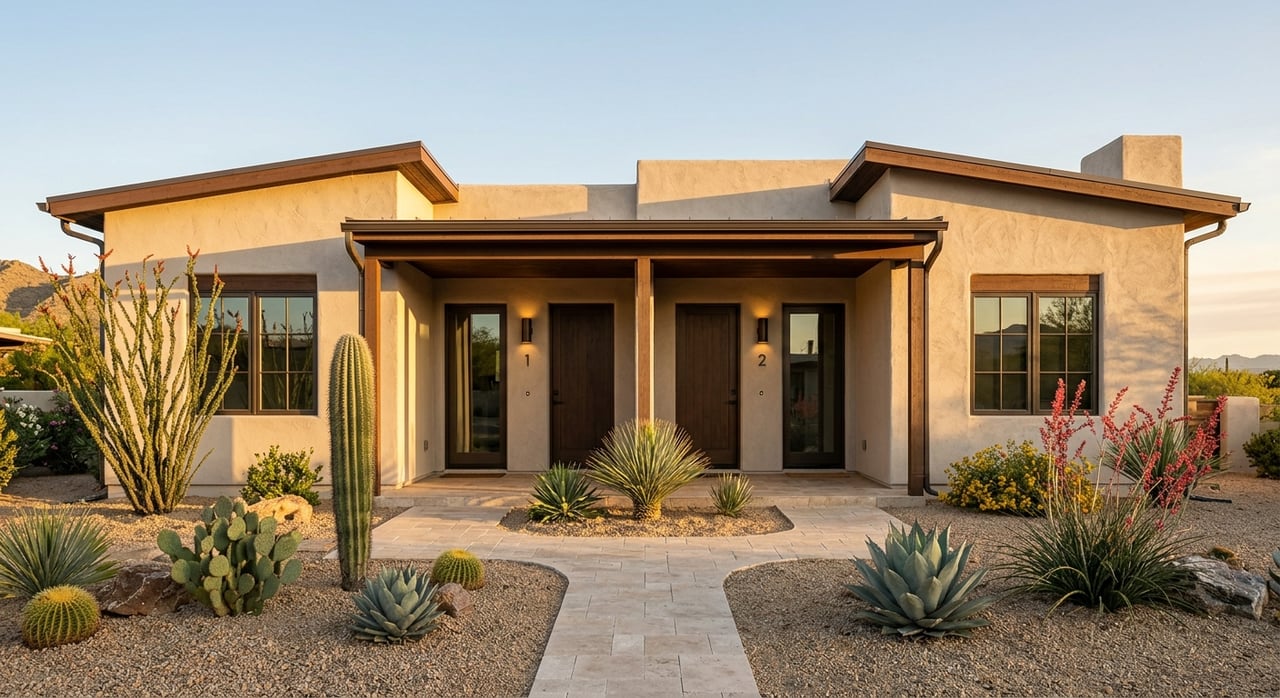
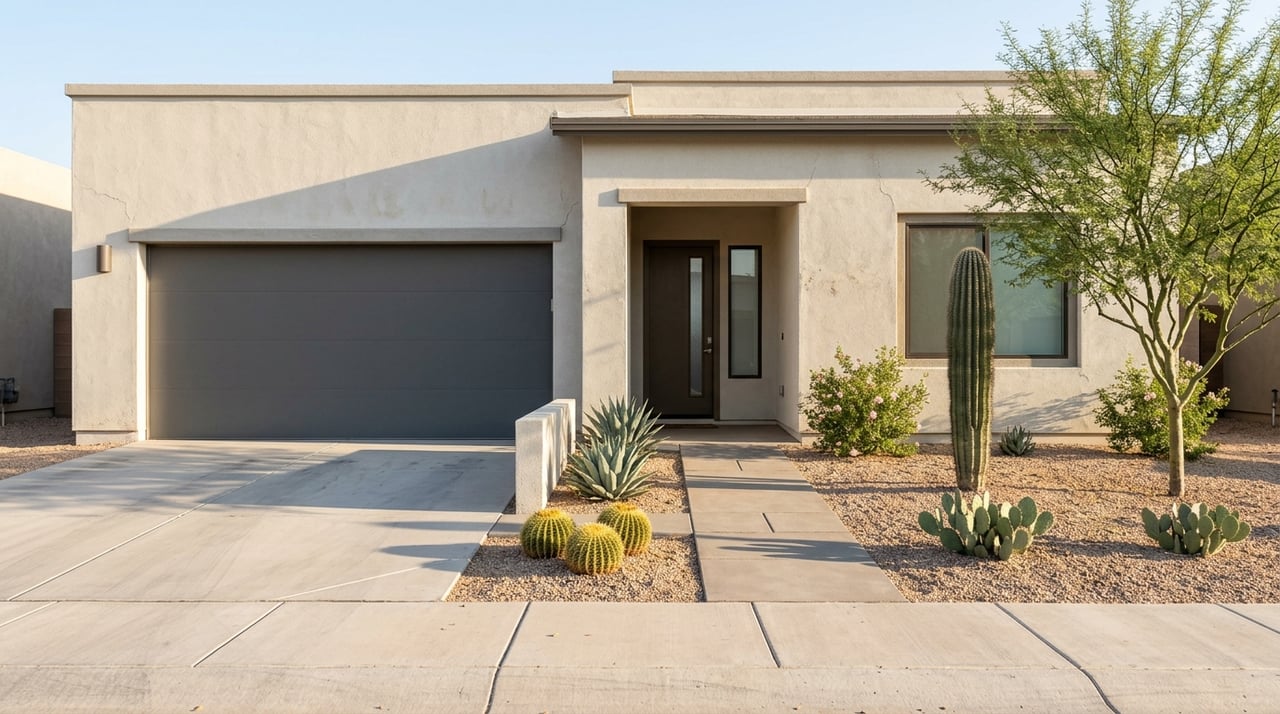
- Single-family homes. Strong renter appeal and straightforward financing. Vacancy hits harder when the home is empty, and yard maintenance and irrigation add costs.
- Condos and townhomes. Lower entry prices are possible, but HOA fees and rules control your net yield. Confirm rental caps, minimum lease lengths, insurance requirements, and any special assessments.
- Small multifamily. Duplexes and triplexes can spread vacancy risk across units. Verify zoning, parking, and tenant mix.
- New construction. Lower near-term repairs but watch for higher HOA or amenity fees. Some builders include owner-occupancy periods that limit rentals early on.
- Short-term rentals. Verify legality, licensing, taxes, and neighborhood restrictions before you underwrite. Run a separate model with seasonality and management costs.
The full expense checklist
Your pro forma should include every recurring and likely cost. Build your base case, then stress test each line.
- Property taxes. Pull the current bill from the Pima County Assessor and consider how reassessment might change taxes after a purchase.
- Insurance. Use a landlord policy with proper liability. In Arizona, confirm wind and hail coverage.
- HOA dues. Capture monthly or quarterly dues. Note what the HOA covers, including exterior maintenance or irrigation.
- Utilities. Decide which utilities you’ll cover. Many single-family owners in Arizona pay irrigation or water to protect landscaping.
- Property management. Get local quotes for monthly management and leasing or placement fees. Include lease renewal, inspection, and potential eviction-related fees.
- Maintenance and repairs. Budget both reactive repairs and preventive service. Two common methods: 5 to 10 percent of gross rent, or about 1 percent of purchase price annually, adjusted for age and condition.
- Capital expenditures. Set reserves for roofs, HVAC, water heaters, flooring, and major appliances.
- Turnover costs. Estimate painting, flooring touch-ups, cleaning, lock changes, and marketing between tenants.
- Leasing costs. Include listing, showings, and screening fees.
- Accounting and legal. Bookkeeping, tax prep, and any legal retainer for leases or disputes.
- Landscaping and irrigation. Budget routine service and irrigation repairs.
- Pest and termite. In Arizona, recurring pest control is common.
- Vacancy loss. Model a separate vacancy allowance beyond turnover timing.
- Miscellaneous. HOA late fees, admin supplies, and any local rental or business license fees if required.
Financing and closing:
- Mortgage payments. Include principal and interest with an accurate amortization schedule.
- Mortgage insurance if applicable.
- Points, origination, and closing costs. If capitalized, track the schedule.
- Rate risk. If using adjustable-rate financing or planning to refinance, run sensitivity scenarios.
Taxes and after-tax notes:
- Pro formas typically present pre-tax cash flow and NOI. Depreciation and other tax benefits depend on your situation. Discuss with a CPA.
The ROI math that matters
These metrics help you screen and compare deals.
- Gross Rent Multiplier. GRM equals purchase price divided by annual gross rent. Lower is generally better as a quick screen.
- Net Operating Income. NOI equals effective gross income minus operating expenses. Do not include debt service here.
- Cap Rate. Cap rate equals NOI divided by purchase price. Use it to compare income-producing properties regardless of financing.
- Cash-on-Cash Return. Cash-on-cash equals annual pre-tax cash flow divided by your invested cash.
- Debt Service Coverage Ratio. DSCR equals NOI divided by annual debt service. Many lenders require a minimum DSCR.
Heuristics for quick filters:
- 1 percent rule. Monthly rent around 1 percent of purchase price. Useful for screening, but it often does not hold in many Sun Belt submarkets.
- 50 percent rule. Assume half of gross rent goes to operating expenses, not including debt service, for a conservative first pass.
A practical evaluation workflow
Use a simple, repeatable process from first screen to offer.
Initial screen. Note price, unit type, rough rent, and a quick yield metric like GRM or cap rate. Discard non-starters.
Rent comps. Pull 6 to 12 active and 6 to 12 recently leased comps nearby with the same bedroom count and condition. Ask for MLS leased data to avoid relying only on asking rents.
Expense vetting. Collect the tax bill, HOA dues, and any seller P&L, plus recent utility costs if owner-paid.
On-the-ground check. Assess property condition, curb appeal, parking, and general street impressions.
Inspection and quotes. Order a professional inspection and get bids for any deferred repairs.
Pro forma with scenarios. Build best, base, and stress versions with rent down 5 to 10 percent, vacancy up, and rates higher.
Offer and contingencies. Include inspection and financing contingencies. Consider an appraisal gap plan if needed.
When to involve a local expert
Loop in a local agent or manager when:
- You need current leased comps and real lease-up timelines.
- HOA rental rules are unclear or you need help reading HOA minutes.
- You’re out-of-state or unfamiliar with subdivision-level nuances.
- You want property management quotes and standard operating procedures.
- You have permitting or short-term rental questions.
- You must act quickly in a fast-moving market.
What to send for fast, actionable feedback:
- The property address, unit mix, asking price, and recent improvements.
- Your target rents and holding period.
- Your return thresholds and specific questions. For example: “What are actual leased rents in this subdivision?” “Any rental caps in this HOA?” “Typical vacancy time and average repair costs after turnover?”
Red flags and common pitfalls
Watch for:
- Below-market prices without a clear reason. Check for deferred maintenance, title issues, or urgent sell signals.
- HOA caps or restrictions on rentals.
- Irrigation or water system issues that can spike costs.
- High-turnover pockets that can pressure rents and raise management time.
- Active code enforcement cases or HOA litigation.
Avoid these modeling mistakes:
- Using only asking rents instead of leased comps.
- Underestimating maintenance and CapEx, especially on older properties.
- Ignoring HOA special assessments or planned increases.
- Assuming low vacancy or fast rent growth without local evidence.
Negotiation ideas:
- Ask for the rent roll, deposits, and lease copies on occupied properties.
- Verify seller expense statements. Question unusual line items.
- Use inspection results to negotiate credits or price adjustments.
- Consider a rate lock strategy. Run rate sensitivity in your model.
Short-term rental check
If you are evaluating a short-term rental, confirm rules first. Review town guidance, business registration, licensing, taxes, and any HOA limits before relying on projected nightly rates. The Town of Marana website is a good starting point for code and planning contacts.
Build base, best, and stress tests
You do not need perfect precision to make a strong decision. You need realistic ranges and clear triggers to proceed or pass.
- Base case. Use conservative rent, mid-range vacancy, full operating expenses, and today’s rate quotes.
- Best case. Slightly higher rent from top-tier finish or strong demand, faster lease-up, and modest expense savings.
- Stress case. Rent 5 to 10 percent lower, vacancy higher, and interest rates up. Include extra turnover and repair costs.
A simple sensitivity pass tells you how fragile or resilient the deal is. If the property still meets your return threshold in the stress case, you likely have a workable investment.
Quick modeling checklist
- Confirm market rent from three sources, including at least one MLS leased dataset.
- Pull the current tax bill and HOA documents.
- Model three scenarios with rent and vacancy sensitivity.
- Itemize all operating costs: taxes, insurance, HOA, utilities, management, maintenance, CapEx, leasing, turnover, landscaping, pest.
- Request local management proposals and references, especially if you are out-of-state.
- Get an inspection and quotes for repairs before final offer.
- Ask a local agent for on-the-ground comps, HOA interpretations, and manager referrals when you need clarity or speed.
Next steps
If Marana fits your strategy, build your rent comps, fill in the expense lines, and run your three scenarios. From there, you can decide to move forward, reprice, or pass. If you want local leased comps, subdivision context, or management referrals, connect with Jessica Sanchez for a quick, practical consult tailored to your goals.
FAQs
How do I estimate fair rent in Marana?
What vacancy rate should I use for a long-term rental?
- Many investors model 5 to 10 percent for stabilized properties, using a higher figure for luxury, seasonal, or niche units and when owner involvement is limited.
Which expenses do investors most often miss?
- HOA special assessments or increases, irrigation and landscaping in Arizona, turnover costs, pest control, and realistic maintenance and CapEx reserves.
Do I need a rental license or permit in Marana?
- Requirements can vary by property and use; start with the Town of Marana website and verify any business registration, licensing, or short-term rental rules that apply.
How should I compare cap rates in Marana?
- Use recent local sale comps by property type and age, and compare cap rates to your subject’s modeled cap using consistent expense assumptions.
When should I bring in a local agent or manager?
- Involve an expert when you need actual leased comps, subdivision-level nuance, HOA rule interpretation, management quotes, or fast move support in a competitive market.