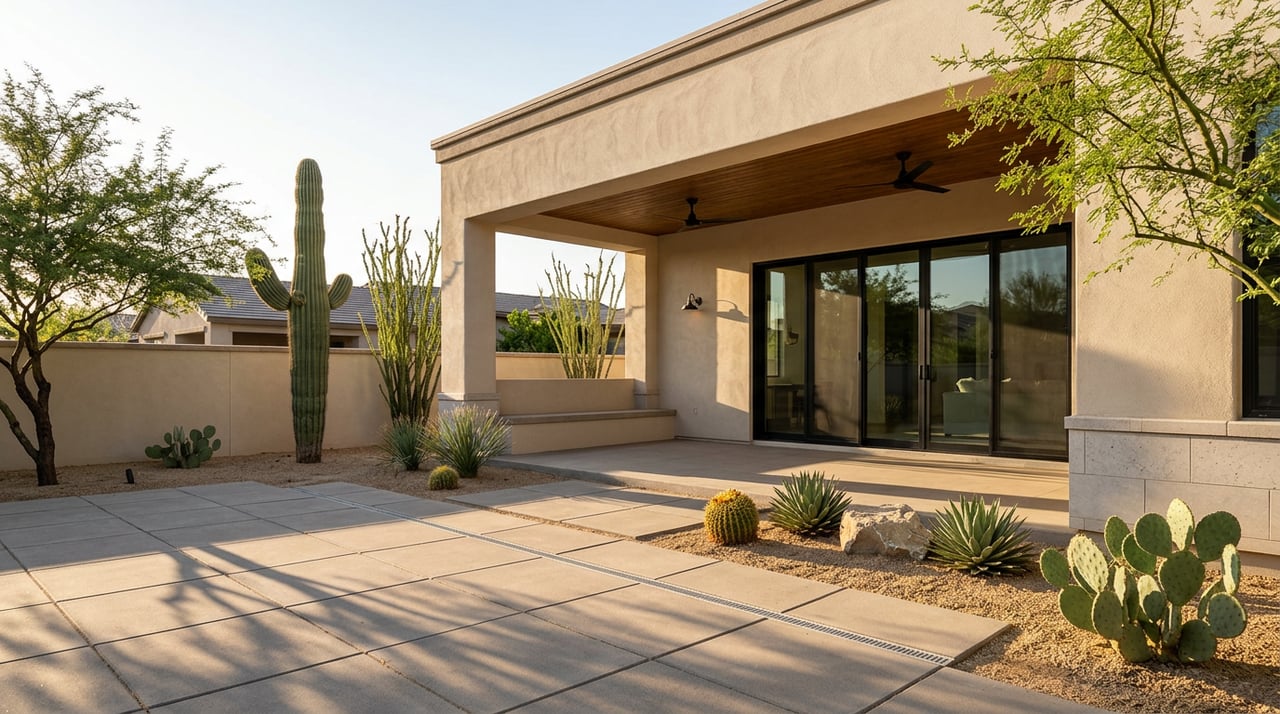
Marana vs Vail Homes: How to Choose Your Ideal Base
March 5, 2026
March 5, 2026
Torn between Marana and Vail for your next home base? You are not alone. Both sit within the Tucson metro, offer new builds and established neighborhoods, and deliver very different vibes depending on where you work and how you like to live. In this guide, you will get a clear, side‑by‑side look at commutes, prices, schools, HOA costs, lot sizes, and new construction so you can choose with confidence. Let’s dive in.
Marana is a fast‑growing town on the northwest side of Tucson with a large footprint and many master‑planned communities. Vail is a smaller community on the southeast side with suburban neighborhoods plus rural parcels on the outskirts. According to U.S. Census QuickFacts for Marana, the town’s population is about 62,000. U.S. Census QuickFacts for Vail reports about 13,600 residents.
On average, residents in both places report similar one‑way commute times. American Community Survey estimates place Marana at about 28 minutes and Vail at about 28.4 minutes. Distances to central Tucson run roughly 24 to 30 miles. Off‑peak drives often fall near 25 to 40 minutes, with peak hours and event days adding time. You can spot‑check distances with tools like Travelmath’s Marana to Tucson distance and then test real routes from a specific address during your normal drive window.
If you work in northwest Tucson, Oro Valley, or the Catalina Foothills, Marana typically shortens your daily drive. Most Marana neighborhoods have quick access to I‑10 via Twin Peaks or Tangerine, which can save minutes each way.
If your employer is on the southeast side, Vail is often the time‑saver. Raytheon/RTX’s Rita Road campus is a major local employer in that corridor, and many roles list the Rita Road site in postings, such as those you see on job listings that reference the Rita Road facility. Living in Vail or nearby Rita Ranch can reduce traffic exposure compared to starting in Marana.
If you work near the University of Arizona or Banner–UMC, both Marana and Vail produce comparable distances. Drive time depends on the precise neighborhood and your parking or shuttle routine. Always run a few peak‑hour tests for any address on your shortlist.
Market portals place both Marana and Vail in the low to mid $400Ks for median resale prices, though numbers vary by platform and methodology. For example, some sites report Marana’s recent median sale near the high $400Ks while Vail shows a similar figure. Model‑based “typical value” indices often come in lower since they smooth across size and age. The key takeaway is this. Entry points for similar resale homes are broadly comparable, with neighborhood mix and amenity levels doing most of the price sorting.
In terms of visible inventory, Marana usually shows more active listings because it is larger and has several big master‑planned areas. Vail’s inventory skews a bit tighter but steady. Month to month numbers change, so check current data when you are ready to shop.
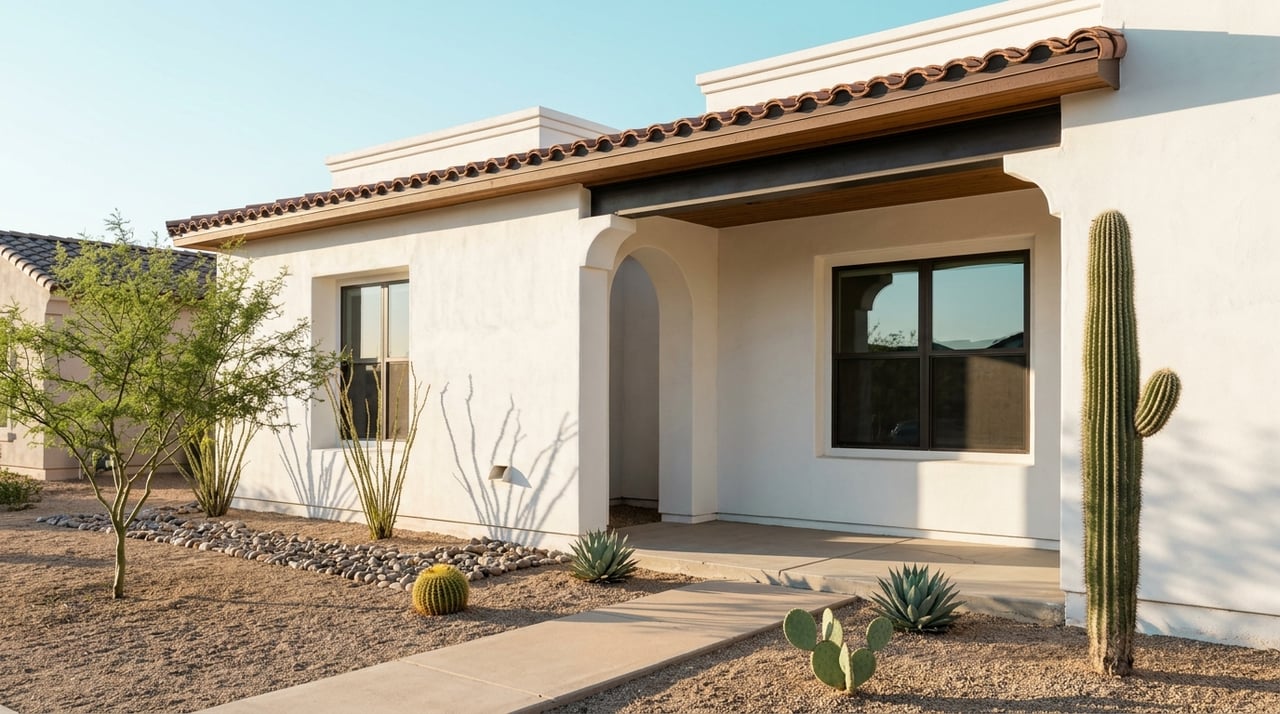
Marana offers a wide range of master‑planned communities such as Gladden Farms, Saguaro Bloom, Continental Ranch, and Dove Mountain. Buyers see everything from compact suburban lots around 4,500 to 7,000 square feet to custom or semi‑custom options with much larger parcels in select Dove Mountain pockets. The master plans bring parks, trails, and community amenities at different fee levels. For a feel of a large, amenities‑forward plan, explore Gladden Farms’ community overview.
Typical lot sizes you will encounter:
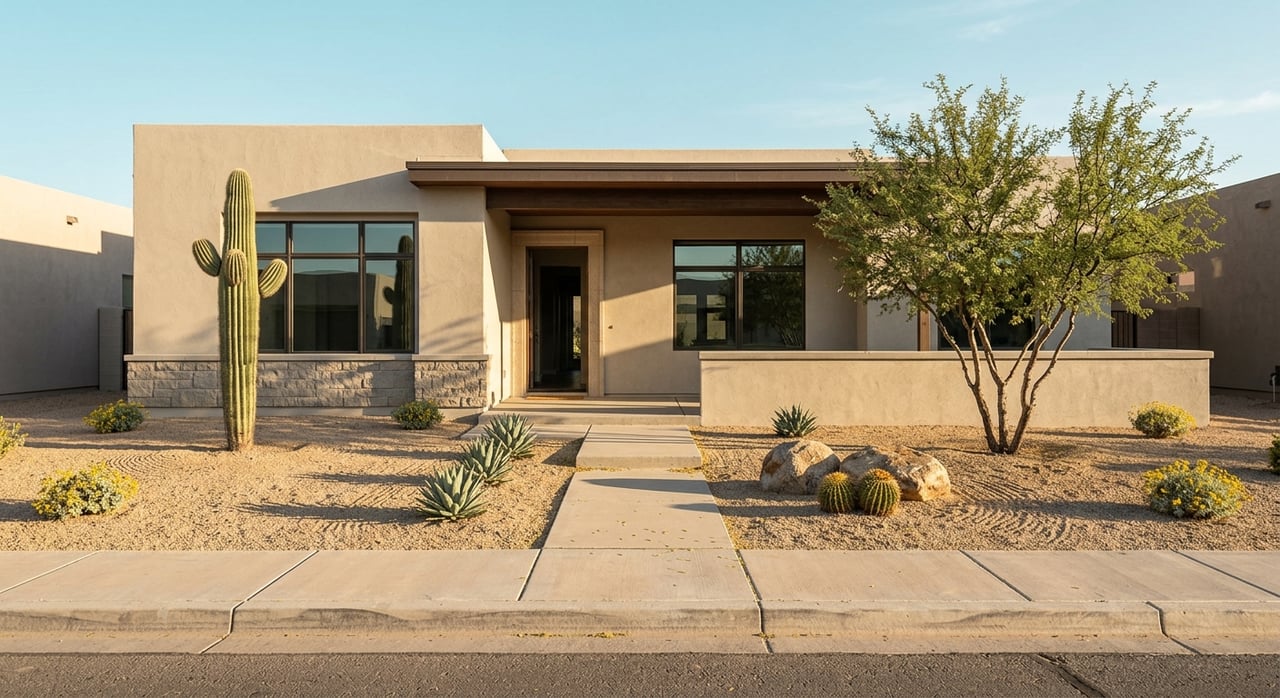
Vail’s core neighborhoods include Rita Ranch, Santa Rita Ranch, and Rocking K. Many homes sit on lots in the 5,500 to 8,000 square foot range. On the outer edges, you will also find multi‑acre parcels for buyers who want space for workshops or a more rural setup.
Typical lot sizes you will encounter:
Families often use school information as a key filter, and both sides of town offer options. Always confirm school assignments for a specific address directly with the district, and review open enrollment procedures.
Use school data as one input among many. Drive the school commute, visit campuses when possible, and consider before‑ and after‑school logistics.
You will see a wide range of HOA dues across both areas based on amenities and services.
When you are under contract, you will receive HOA disclosures that outline budgets, reserves, rules, and any assessment history. In Arizona, there are routine transfer and disclosure fees at resale, so budget for those line items and confirm who pays them in your contract. Review rental rules, exterior change guidelines, and pet policies early to avoid surprises.
Both Marana and Vail fall under Pima County property tax frameworks. Effective tax rates vary by parcel due to county, special districts, and school levies. A common planning range is roughly 0.7 to 1.0 percent of value, but you should verify a target home’s recent tax bill for accuracy. For a helpful overview, see this guide to Pima County property taxes.
Growth patterns can affect daily life. Marana has been one of the metro’s faster‑growing areas with active builder pipelines, so you may see more construction traffic near new phases. Vail continues to add neighborhoods while keeping many established and rural pockets. Check local planning updates if you are sensitive to construction activity.
Both sides offer new communities, but the mix and feel differ.
When comparing builders, weigh base price vs. total cost to move‑in. Add a realistic allowance for lot premiums, structural options, design center upgrades, and landscape.
Use this quick checklist to narrow your search to two or three neighborhoods on each side, then tour them back‑to‑back.
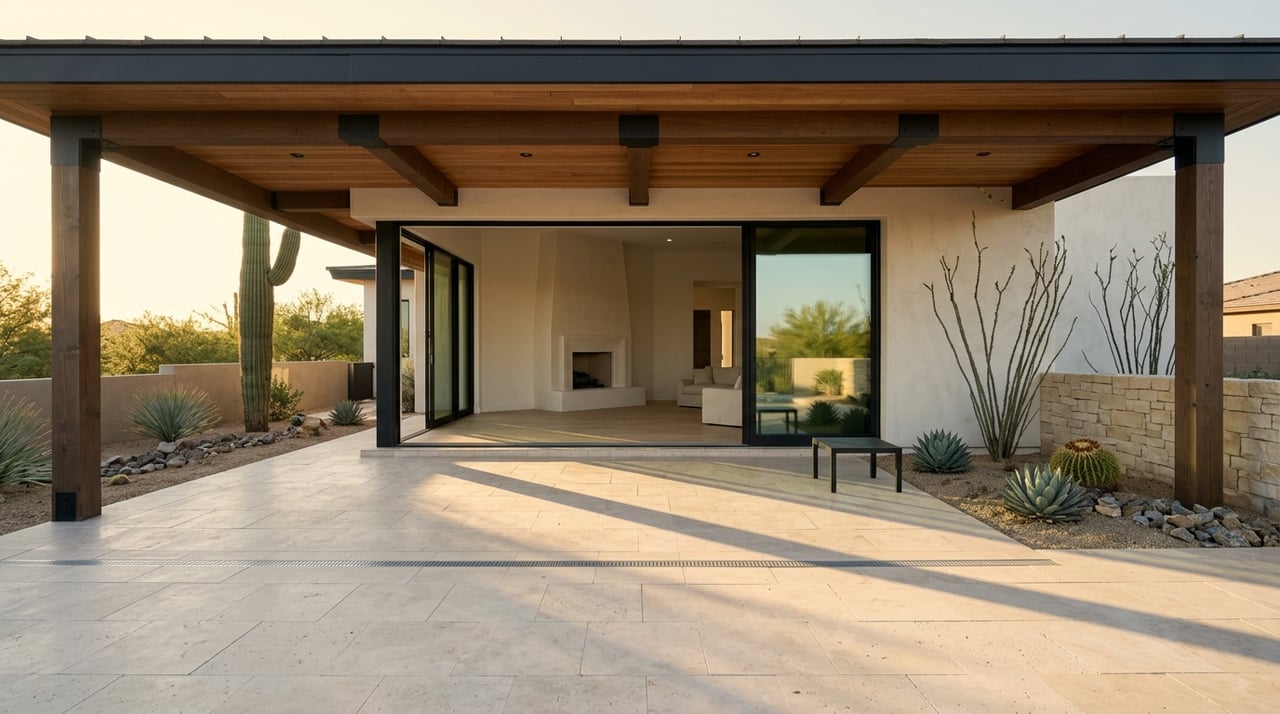
Pick Marana if you want a wide array of master‑planned choices, quick northwest access, and the option to step into resort‑style settings. Pick Vail if you value an A‑rated district, southeast job access, and a mix of suburban lots with room to roam nearby. Both deliver new builds, steady resale options, and the Sonoran Desert lifestyle.
If you would like a side‑by‑side tour, off‑market options, or help pressure‑testing your commute and school plan, connect with Jessica Sanchez. You will get local guidance, clear next steps, and a plan that fits your life.
Stay up to date on the latest real estate trends.
Jessica Sanchez has worked in the real estate industry for over 20 years and has amassed a renowned class of clientele and unmatched experience.
Let's Connect
Jessica Sanchez
6444 E Tanque Verde Rd, Tucson, AZ 85715