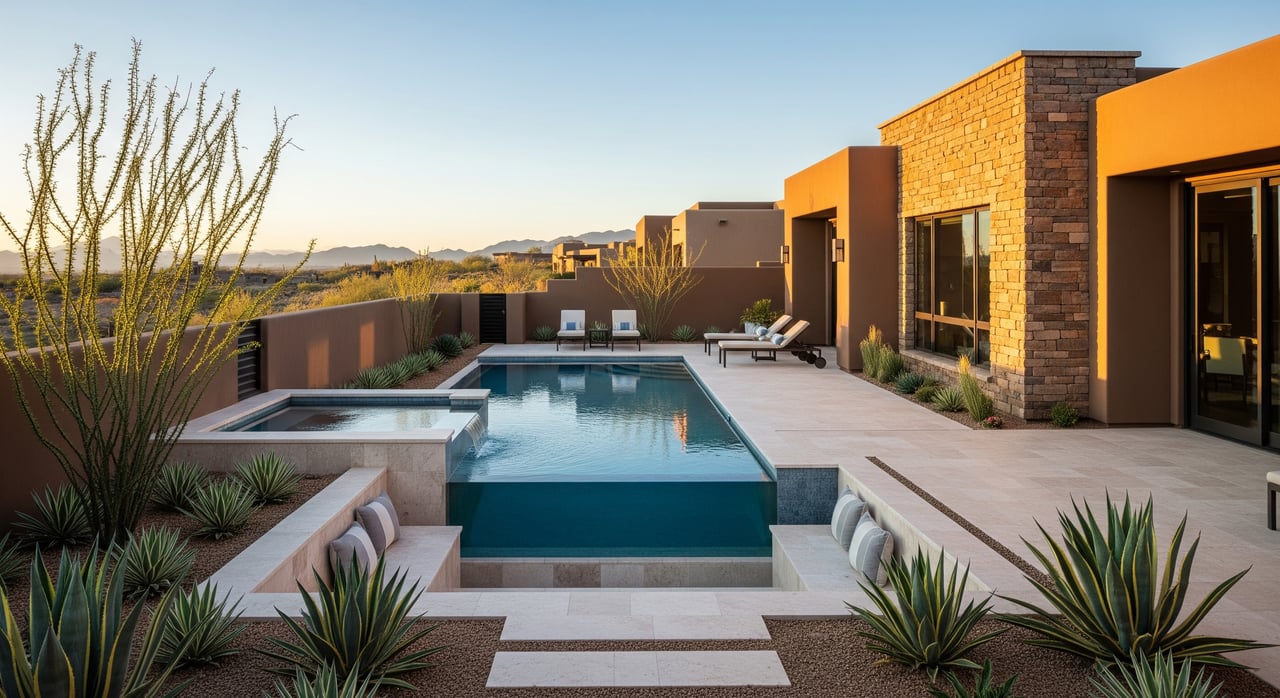
Understanding Dove Mountain HOA Fees and What They Cover
November 21, 2025
November 21, 2025
Ever wonder where your HOA dollars actually go in Dove Mountain? You are not alone. Between master associations, neighborhood HOAs, and sometimes separate club dues, it can feel confusing to pin down what you’re paying for and why fees differ from one street to the next. This guide breaks it down so you can compare neighborhoods with confidence, spot red flags, and budget for the true cost of ownership. Let’s dive in.
Some homes sit in both a master association and a neighborhood sub-association. The master association typically maintains larger shared assets like major open space, trail systems, arterial landscaping, and some private roads and gates. Your sub-association usually handles neighborhood-level maintenance and rules enforcement where you live.
In gated or club-focused areas, such as La Paloma-style neighborhoods, private club or country club dues are often separate from HOA fees. Confirm whether membership is optional or required for your specific lot. Club costs can be several hundred to over a thousand dollars per month depending on membership level and services.
Each association follows recorded CC&Rs, bylaws, and rules. These define who maintains what, from streets and irrigation to gates. Arizona associations must follow state laws and their governing documents. Always verify responsibilities in the disclosures for the property you are buying.
HOAs often pay for landscape maintenance in medians, entries, and shared open space. This can include mowing, plant replacement, and drip or irrigation repairs. Trail and park upkeep, playground inspections, and community trash receptacles are also common.
If your neighborhood has a clubhouse, pool, spa, or courts, routine maintenance, supplies, utilities, and staffing may be part of your dues. Janitorial and pool service contracts are typical line items.
In areas with private roads, the HOA handles repair and resurfacing. Gate systems and street lighting may also fall under the HOA. Public roads are maintained by Pima County, so confirm road status in your disclosures.
Electricity for lighting, pumps, gates, and pools is a standard expense. Irrigation water is a major cost driver in desert communities. Some associations also arrange bulk services like trash collection or internet.
Associations carry property and liability insurance for common areas. They also budget for management, legal, accounting, audits, and board insurance. Your personal homeowners policy is still needed for your home and belongings.
Healthy associations contribute to a reserve fund for big-ticket replacements, such as gate systems, pool replastering, community building roofs, and major irrigation infrastructure. A professional reserve study helps plan these costs over time.
Dues support management operations, assessment collection, architectural review, and compliance. Legal fees may appear when covenant enforcement or disputes arise.
These are one-time charges when reserves are inadequate or an unexpected repair occurs. They are not part of routine operations, but they do happen if funding falls behind needs.
Irrigation water, pump maintenance, and drip system replacement add up. Lush entries and medians can increase costs in a desert climate.
Gated neighborhoods often pay for gate upkeep, security contracts, and private road repairs. That typically raises dues compared with areas on county-maintained roads.
Resort-style amenities and staffed clubhouses come with higher operating costs. Lifeguards, programming, and building maintenance are part of the budget in those settings.
Maintaining native plants, managing invasive species, and complying with desert vegetation standards can be recurring expenses. Some areas support Firewise or defensible-space efforts.
Older communities with long stretches of private roads or miles of trails need stronger reserves. Underfunded reserves can lead to fee hikes or special assessments.
Where private clubs are present, club dues are usually separate from HOA dues. If membership is mandatory for certain homes, your monthly costs can be significantly higher.
Actual dues vary by association and must be verified in the disclosures and resale certificate for the home you choose.
A recent professional reserve study is a positive sign. Repeated special assessments, vague project plans, or outdated reserve studies are warning signs. Make sure you understand what is covered by the master association versus your sub-association.
Lenders include HOA dues in your debt-to-income ratio, which can affect your loan approval and budget. If dues are high, your borrowing power may be lower. For condos, association approvals can influence loan options. Higher dues or ongoing assessments can narrow the buyer pool at resale, so it is smart to understand the fee profile before you write an offer.
To judge value, normalize your total monthly housing cost. Add your projected mortgage and taxes to HOA dues and any required club dues, plus typical utilities. Then compare that total across the neighborhoods you like. This helps you move beyond sticker price to the real monthly commitment.
Both Dove Mountain and La Paloma include gated areas and nearby private clubs. The key is to confirm what applies to your specific property. Club dues are often separate from HOA dues, and membership rules vary by lot. Also verify whether roads are public or private, since that affects long-term maintenance costs.
If you want a clear, side-by-side view of HOA coverage, dues, and any club obligations for homes you are considering, let’s put the documents to work. I will help you request, review, and interpret the disclosures so you can buy with confidence and avoid surprises. Ready to compare options in Dove Mountain or La Paloma? Connect with Jessica Sanchez for a quick, no-pressure plan.
Stay up to date on the latest real estate trends.
Jessica Sanchez has worked in the real estate industry for over 20 years and has amassed a renowned class of clientele and unmatched experience.
Let's Connect

Jessica Sanchez
6444 E Tanque Verde Rd, Tucson, AZ 85715