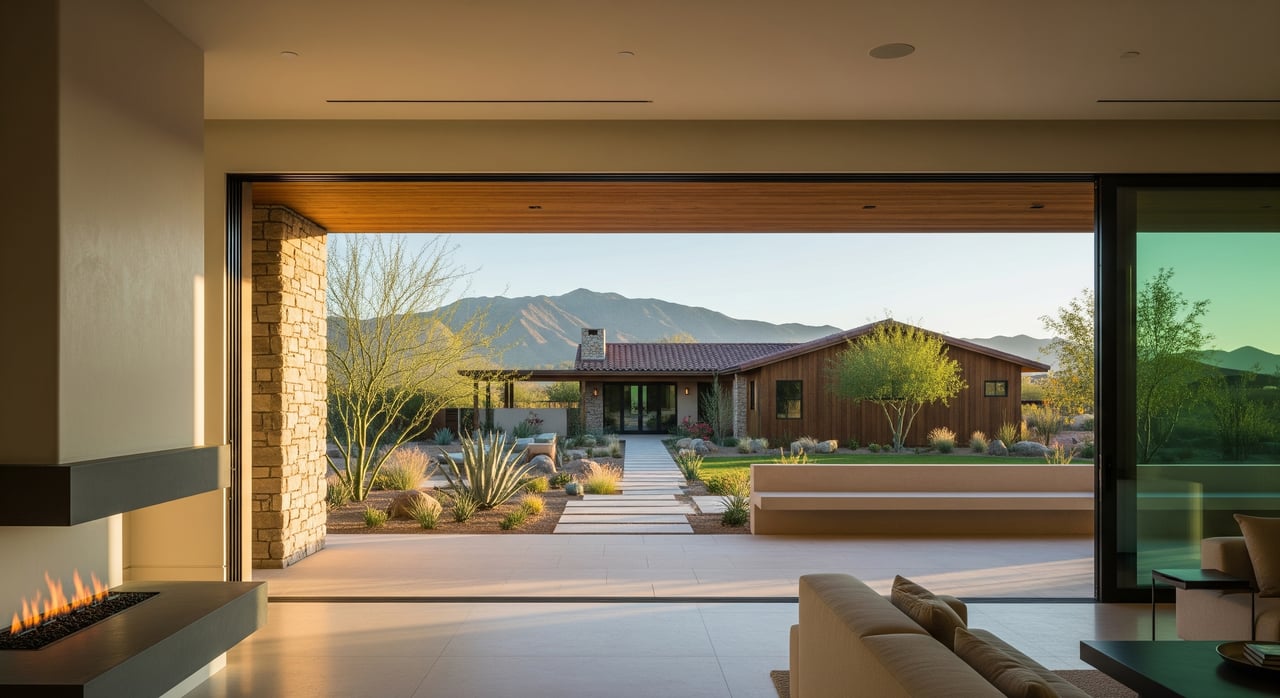
Vail New Construction vs Resale: How to Decide
December 18, 2025
December 18, 2025
Torn between a shiny new build and a move‑in ready resale in Vail? You are not alone. Choosing the right path affects your timeline, budget, and peace of mind. In this guide, you will learn how new construction and resale compare for Vail buyers, from timelines and upgrade costs to warranties, appraisals, and negotiations. Let’s dive in.
Buying new construction can give you modern layouts and a fresh warranty. Resale homes often deliver immediate occupancy and established neighborhoods. In Vail, many new subdivisions follow developer and HOA rules, while resale areas vary more in style and restrictions. Your decision comes down to timing, total cost, and how much certainty you need.
New construction often takes months. Production homes commonly run 3 to 9 months once a lot is ready, with some inventory homes available sooner. Semi‑custom builds can take 6 to 12 months. Fully custom homes can stretch to 12 to 24 months or more. Always confirm current builder schedules and utility hook‑ups in Pima County.
Delays can happen. County permitting, inspections, supply chains, and change orders can shift your closing date. Plan for carrying costs, short‑term housing, and storage if your build runs long.
Resale usually wins on speed. You get a predictable closing timeline and can move in soon after. If you have firm employment start dates or school‑year timing, resale provides more certainty.
New construction pricing starts with a base price. That price covers a standard spec, and popular upgrades often add up fast. Expect costs for flooring, countertops, cabinets, appliance packages, outdoor space, and lot premiums for views or corner lots. Ask for written design‑center pricing and a clear upgrade allowance.
Change orders cost more. Mid‑build changes often carry higher margins and admin fees. Protect your budget by documenting a clear change‑order process, negotiating “not‑to‑exceed” amounts, and getting all pricing in writing.
Resale cost planning is different. You might pay less for upgrades at purchase but reserve funds for system replacements or updates. Budget for repairs, maintenance, and any renovations you want soon after closing.
Many builders follow an industry‑standard structure that looks like 1‑year workmanship, 2‑year systems, and 10‑year structural coverage. Specific terms vary, so get the full warranty document before you sign. Cosmetic items and routine maintenance are usually excluded.
Do independent inspections. Schedule inspections at key stages such as pre‑drywall, mechanical rough‑in, and final. Confirm your right to a final independent inspection and a punch‑list process for fixes before closing or within a set warranty window.
Verify licensing. In Arizona, you can check a builder’s license and complaint history with the state’s contractor regulator. Ask for recent references and examples of completed projects.
Appraisals on new builds can be tricky. In a brand‑new subdivision, there may be few comparable sales. Appraisers may use the best available comps, then adjust for lot premiums and upgrades. Incentives like closing‑cost credits or rate buydowns are typically documented and can affect how lenders view the deal.
Protect yourself with an appraisal contingency. If the appraisal comes in low, you want options to renegotiate or cancel. If you are using construction or construction‑to‑permanent financing, ask how your lender locks rates, handles draws and inspections, and documents as‑completed value.
For resale, appraisals rely on recent local sales. You still want an appraisal contingency and a plan in case of a shortfall, especially in competitive price bands.
Vail is an unincorporated CDP in Pima County. That means county rules guide services, permits, and planning, not a municipality. In new subdivisions, infrastructure and amenities can roll out in phases over years. Ask for recorded plat details and the timeline for roads, parks, and community features.
HOAs matter. Review CC&Rs, fees, design guidelines, and initiation costs early. These rules affect your design choices and long‑term costs. Resale areas help you see real‑world living patterns like street parking, traffic, and noise, which may be less obvious in brand‑new communities.
Builders often negotiate on more than price. You may find room on lot premiums, design‑center credits, closing‑cost help, interest‑rate buydowns, and specific upgrades. Price cuts can happen, especially on spec or model homes, but concessions are more common.
What to do:
You can negotiate price, closing date, repairs, concessions, and included items. Use your inspection to target major systems such as the roof, HVAC, plumbing, and foundation. For known deferred maintenance, consider a credit or a home warranty as part of the deal.
In a hot segment, plan for appraisal gaps. Keep an appraisal contingency and be clear about your limits if value comes in below contract price.
Timeline and needs:
Total cost projection:
Financing:
Appraisal and value:
Warranty and risk:
Neighborhood maturity:
Timeline costs:
Pick new construction if you value customization, a fresh warranty, and you have time to wait. Just budget carefully for upgrades and plan for possible delays. Confirm county permitting timelines and make sure the future amenities you want are actually scheduled.
Pick resale if you need a known timeline, mature neighborhood context, and the ability to negotiate repairs or credits. Get a thorough inspection, protect your appraisal contingency, and focus on the big‑ticket systems.
When you compare both options side by side using the checklist above, the right choice becomes clearer. The key is to match your move‑in needs, budget discipline, and risk tolerance with the realities of Vail’s neighborhoods and build schedules.
Ready to explore both paths with local guidance and early access to opportunities, including new builds and private listings? Reach out to Jessica Sanchez for a calm, advocate‑first plan that fits your timeline and budget.
Stay up to date on the latest real estate trends.
Jessica Sanchez has worked in the real estate industry for over 20 years and has amassed a renowned class of clientele and unmatched experience.
Let's Connect
Jessica Sanchez
6444 E Tanque Verde Rd, Tucson, AZ 85715